Latest Publications
All publications which used NE-CAT should acknowledge the resource by listing our grant number.
- Functional diversity of phage sponge proteins that sequester host immune signals.

Nat Microbiol. May 31, 2026, 11(6):1612-1625.
ABSTRACT:
Many bacterial immune systems use signalling molecules that activate the immune response following phage infection. Phages counteract bacterial immune signalling using sponge proteins that bind and sequester the immune signals, but their functional diversity and versatility have not been fully explored. Here we study Acb2, Tad1 and Tad2, three families of sponge proteins known to inhibit CBASS (cyclic oligonucleotide-based anti-phage signalling system) and Thoeris signalling. Eighty-four proteins representing the phylogenetic diversity of these sponge families were tested for their ability to inhibit immunity by sequestering seven distinct signals from CBASS, Thoeris and Pycsar defence systems. While Acb2 proteins were so far reported to inhibit only CBASS, we found Acb2 homologues that bind 3'cADPR and inhibit Thoeris defence. We also discovered sponge proteins that inhibit Pycsar and type IV Thoeris by binding cUMP and N7-cADPR, respectively. Using crystal structures, structural modelling and biochemical analyses, we explain the molecular basis for signal-binding specificities in these sponge families.
PMID: 42230830 | DOI: 10.1038/s41564-026-02352-0
- Structural basis for high-affinity inhibitor binding to lipid kinases PIP4K2A and PIP4K2B.
Acta Crystallogr D Struct Biol. May 31, 2026, 82(Pt 6):646-654.
ABSTRACT:
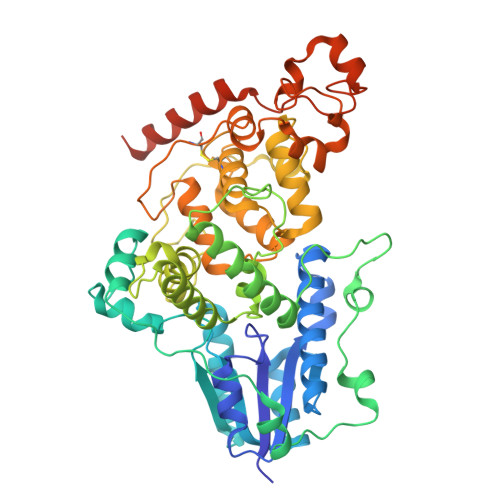
The phosphatidylinositol 5-phosphate 4-kinases (PIP4Ks) are an evolutionarily conserved family of lipid kinases that phosphorylate phosphatidylinositol 5-phosphate to generate phosphatidylinositol 4,5-bisphosphate. In mammals, the catalytically active α and β isoforms, encoded by PIP4K2A and PIP4K2B, respectively, localize to distinct cellular compartments and have been implicated in metabolism, immune regulation and tumorigenesis, prompting interest in their pharmacological inhibition. Notably, most reported small-molecule inhibitors display substantially higher potency towards the α isoform than the β isoform, suggesting intrinsic structural features that limit the effective targeting of PIP4K2B. Here, we report the crystal structure of PIP4K2A in complex with 422A, a potent dual α/β inhibitor with improved metabolic stability. The structure reveals an unexpected, water-mediated interaction in which a pyridyl nitrogen of the inhibitor engages a conserved structured water molecule in the roof of the specificity pocket, constraining the orientation of the pyridylmethyl side chain and stabilizing a rigid, high-affinity binding mode. Comparative structural analysis with the PIP4K2A-selective inhibitor BAY-091 shows that deeper penetration into the specificity pocket enhances PIP4K2A binding but is accompanied by local steric constraints that are likely to be less well tolerated in PIP4K2B. Together, these findings define structural determinants of isoform-dependent inhibitor binding within the PIP4K family and provide a framework for structure-guided optimization of lipid kinase inhibitors with improved isoform balance.
PMID: 42117906 | PMC: PMC13224930 | DOI: 10.1107/S2059798326003773
- Phage RyR-domain proteins degrade ADPR-based immune signals and fuel NAD + synthesis.
bioRxiv. May 28, 2026:.
ABSTRACT:
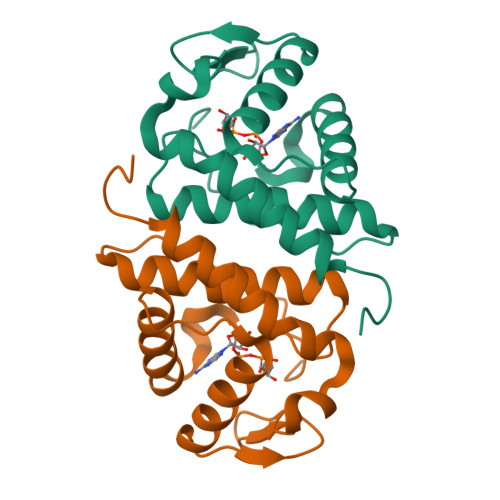
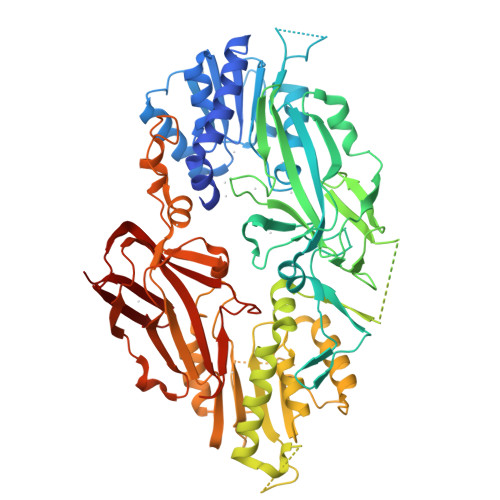
Bacterial, plant, and animal cells synthesize nucleotide immune signals as a conserved strategy to defend against viral infection 1-4 . In bacteria, Thoeris anti-phage defense systems convert nicotinamide adenine dinucleotide (NAD + ) into the cyclic ADP-ribose signals 2'cADPR and 3'cADPR to activate downstream effectors and restrict viral replication 5-8 . Phage proteins can bind and sequester Thoeris signals 6,9-13 , but no mechanisms are known to degrade the exceptionally stable 2'cADPR and 3'cADPR molecules and terminate immune activation. Here we use a forward biochemical screen to discover the mycobacteriophage protein RyDEP as the founding member of an enzyme family that cleaves 2'cADPR and 3'cADPR to inactivate Thoeris defense. We show that RyDEP is a glycosidase that cleaves the ribose-ribose linkage in 2' and 3' cADPR immune signals to both inactivate host defense and enable direct restoration of NAD + . A crystal structure of the RyDEP-3'cADPR complex in the post-cleavage state explains the molecular basis of immune signal degradation and reveals surprising homology with the Repeat12 domain of animal ryanodine receptors (RyRs) that control calcium flux and muscle contraction 14,15 . We demonstrate that diverse phage RyDEP proteins tune RyR-domain activity to either degrade or sequester immune signals. Our results define RyR-domain proteins as regulators of nucleotide immune signaling and explain how viruses subvert host antiviral defense.
PMID: 42244614 | PMC: PMC13232231 | DOI: 10.64898/2026.05.28.727677
- Molecular basis of allosteric regulation and pharmaceutical targeting of protein kinase Cβ.
Nat Commun. May 20, 2026:.
ABSTRACT:
Protein kinase C (PKC) isozymes are ubiquitous kinases that direct diverse cellular pathways and are important drug targets for the treatment of cancer and neurological diseases. PKCs are auto-regulating enzymes governed by phospholipid and Ca2+ signals via a mechanism that has remained enigmatic due to a paucity of structural information. Herein we present a series of structures of the full-length human PKCβI and PKCβII isozymes. These structures reveal the molecular basis by which PKCs maintain an auto-inhibited state, convert to a defined and ordered active conformation via a "lipid-lever" mechanism of allosteric activation, and how isoform-specific differences alter their allosteric regulatory mechanisms. We show that endoxifen, a recently identified PKCβI inhibitor, can alter the allosteric regulatory mechanism of PKCβI, providing a proof of concept for allosteric regulators of PKCs. Collectively, our data describe a foundational molecular model of second messenger-mediated allosteric regulation of PKCs that underpins PKC function, misregulation, and mechanisms of inhibition.
PMID: 42168197 | DOI: 10.1038/s41467-026-73413-5
- Crystal structure of mouse DXO in complex with the UDP-N-acetylglucosamine cap and molecular mechanism for the decapping reactions.
Nucleic Acids Res. May 19, 2026, 54(10):.
ABSTRACT:
Noncanonical metabolite 5' caps have recently been identified on RNAs, and the DXO/Rai1 family of enzymes can remove these caps in eukaryotes. While the binding modes of NAD, FAD and dephospho-CoA (dpCoA) caps in the active site of mouse DXO have been determined, how DXO recognizes the UDP-glucose (UDP-Glc) and UDP-N-acetylglucosamine (UDP-GlcNAc) caps is not known. In addition, the molecular mechanism by which DXO catalyzes the decapping reactions is still poorly understood, especially the location of the water/hydroxide that attacks the scissile phosphate to initiate the decapping. Here we report the crystal structure of mouse DXO in complex with UDP-GlcNAc at 1.8 Å resolution. The binding mode of the compound explains why DXO removes the entire cap from RNA. We have also determined the structures of mouse DXO in complex with purine oligonucleotides, pA5 and pGGGUU. Most importantly, we have produced a model of DXO in a catalytically competent complex with substrates, revealing that a water/hydroxide coordinated to the first metal ion is the nucleophile that attacks the scissile phosphate. The conformation of the scissile phosphate is similar to an alternate conformer of the 5' phosphate in pA5, which provides experimental support for the modeled substrate complex.
PMID: 42200294 | PMC: PMC13213243 | DOI: 10.1093/nar/gkag521
- Structural basis for double-stranded DNA cytosine deamination by BaDTF3 and its application in mitochondrial genome editing.
Nat Commun. May 04, 2026:.
ABSTRACT:
Bacterial deaminase toxin family (BaDTF) proteins are weapons used in bacterial warfare, and they are useful tools in base editing, epigenetics analyses, and genomic footprinting applications. Our previous studies revealed the mechanisms of 5'-TC-specific cytosine deamination in double-stranded (ds)DNA by DddA from BaDTF1 and sequence context-independent single-stranded (ss)DNA cytosine deamination by SsdA from BaDTF2. Here, we show that a representative member of BaDTF3, DddB, deaminates cytosines specifically in dsDNA, but with a broad sequence context preference. Our crystal structure of DddB bound to dsDNA reveals a distinct mechanism of substrate engagement, in which a helix-hairpin-helix motif inserted into the minor groove of dsDNA promotes flipping of the target cytosine into the enzyme active site. Based on the structural information, we generate both monomeric and split DddB-derived cytosine base editors (BdCBE) and demonstrate that they can perform CRISPR-free mitochondrial base editing in human cells, with an expanded targeting scope compared to the DddA-derived DdCBEs. Our studies highlight the mechanistic diversity among BaDTF proteins and expand the repertoire of dsDNA deaminase enzymes for genome editing and other applications.
PMID: 42082514 | DOI: 10.1038/s41467-026-72730-z
- The atomic structure of human dystrophin spectrin-like repeat 24.
Acta Crystallogr F Struct Biol Commun. April 30, 2026:.
ABSTRACT:
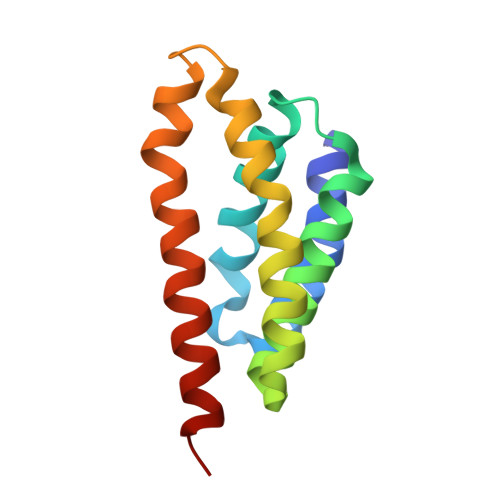
The structure of spectrin-like repeat 24 of human dystrophin was determined at 2.5 Å effective resolution. The structure exhibits a three-helix bundle fold, common to all spectrin-repeat family members, and shares a high degree of homology with existing structures of spectrin-like repeat 1 from dystrophin and utrophin. The structure provides molecular details of the atomic interactions that stabilize the repeat, including hydrophobic interactions and inter-helix and intra-helix salt bridges. AlphaFold models of the repeat are in excellent agreement with the structure, showing an all-atom r.m.s.d. of 1.13 Å. Accurate modeling of SR24 supports AlphaFold modeling of all 24 of the dystrophin spectrin-like repeats and the use of these models in predicting the molecular determinants of dystrophin stability, a key aspect of its biological function as a structural protein that cross-links actin filaments to the dystrophin-glycoprotein complex to mediate a mechanical connection between the cytoskeleton and the extracellular matrix.
PMID: 42024151 | DOI: 10.1107/S2053230X26003262
- Structural Basis for the Mechanism and Stability of the EEPD1 5' Endonuclease.
J Biol Chem. April 07, 2026:111432.
ABSTRACT:
The 5' endonuclease EEPD1 initiates repair of replication forks stalled at oxidative DNA damage. EEPD1 has abasic endonuclease activity that can replace APE1 and initiate base excision repair when the cell is overwhelmed with oxidative DNA damage. In this study, we investigated the structural basis of this activity using X-ray crystallography in conjunction with in vitro endonuclease assays. We resolved the X-ray crystallographic structure of the EEPD1 nuclease domain to 3.2 Å resolution, revealing electrostatic and π-stacking interactions at the homodimeric interface. We further validated the finding that EEPD1 exists as dimers in solution using SEC-MALS analysis, mass photometry, and native gel electrophoresis. Mutations at hydrophobic tryptophans at positions W517, W522, and W524 disrupted the dimerization interface, resulting in a predominantly monomeric EEPD1. While the disruption of dimerization moderately decreased EEPD1's nuclease activity, it significantly decreased its intracellular half-life. We found as predicted, that catalytic site residues Q269, H404, and D448 are crucial for EEPD1's abasic endonuclease activity, consistent with their structurally predicted role. The EEPD1 catalytic site exhibits geometric conservation of shape and charge in key regions with the APE1's catalytic site, even though these nucleases are otherwise evolutionarily divergent. In summary, these data define the structural basis for the assembly, stability, and endonuclease activity of EEPD1.
PMID: 41962867 | DOI: 10.1016/j.jbc.2026.111432
- Structural and Positional Effects of Peptoid Residues on Triple Helix Stability.
Biomacromolecules. April 02, 2026:.
ABSTRACT:
The collagen triple helix, composed of three protein strands with a repeating GlyXaaYaa sequence, achieves maximum stability with proline (Pro) and hydroxyproline (Hyp) at the Xaa and Yaa positions. Previously, we demonstrated that peptoid residues (N-substituted glycines, N-Glys) at the Xaa position significantly enhance the triple helix stability. Here, we show that N-Glys at the Yaa position also stabilize the triple helix, with stability influenced by the N-Gly's position and side chain structure. Over 22 N-Glys with various natural and unnatural side chains were investigated using CD spectroscopy, X-ray crystallography, and computational simulations. The results show that N-Glys at the Yaa position support triple helical folding and are more stabilizing than their corresponding amino acids but less so than Hyp due to suboptimal ϕ-ψ angles. Metadynamics simulations revealed that N-Glys at the Yaa position have a broader conformational space due to minimal steric hindrance from neighboring glycine residues. N-Glys' side chain bulkiness influenced stability only at the Xaa position and not the Yaa position. Additionally, only S-isomers of chiral Nα-Cβ-branched N-Glys were compatible with triple helical folding, presenting different backbone conformations and accessible rotamers based on their position. At the Yaa position, (S)-N-(1-phenylethyl)-Gly (Nspe) stabilized the triple helix better than all other residues except Hyp through newly discovered intrachain CH···π interactions. This research deepens our understanding of triple helical folding and introduces new strategies for designing stable collagen mimetic peptides with diverse side chains, expanding potential applications in biomedicine and biomaterials.
PMID: 41931485 | DOI: 10.1021/acs.biomac.5c02232
- Structural basis for pan-coronavirus inhibition of 3CL protease.
Structure. April 01, 2026, 34(4):562-571.e8.
ABSTRACT:
Epidemic and pandemic outbreaks of respiratory illness caused by three different coronaviruses over the past two decades have underscored the importance of pharmaceutical agents that could offer broad-spectrum activity across this family of pathogens. Two coronavirus inhibitors characterized by broad in vitro potency were synthesized and studied with X-ray crystallography. Their high-resolution structures in complex with six α-, β-, and γ-coronaviruses delineate the requirements for pan-coronavirus inhibition by drug-like molecules targeting the S1-S4 subsites of the viral 3CL-protease, which performs a critical function during coronavirus polyprotein processing. Anchoring by polar contacts in S1, utilization of hydrophobic packing in S2, compact substitutions in S3, and mid-sized hydrophobic modifications in S4 are all factors contributing to inhibitor activity. Interactions in S2 are modulated by the amino acid identity of three key residues, and in S4, where sequence conservation is the lowest, pan-coronavirus coverage is facilitated by solvent exposure of the diverging side chains.
PMID: 41650964 | DOI: 10.1016/j.str.2026.01.003
- A prophage-encoded abortive infection protein preserves host and prophage spread.
Nature. March 31, 2026, 652(8108):201-208.
ABSTRACT:
Most bacterial pathogens are polylysogens, harbouring multiple vertically transmitted prophages1-3. These prophages enhance bacterial pathogenicity and survival by encoding virulence factors and anti-phage defence systems while retaining the capacity for horizontal transfer. Thus, prophage-encoded anti-phage defences must block propagation of external phages without inhibiting the spread of the prophages that encode them. Here we identify HepS-an abortive infection system encoded on the Gifsy-1 prophage constituted of a single HEPN domain protein-which restricts phages of the Siphoviridae family. We demonstrate that in its native host context of Salmonella enterica serovar Typhimurium, HepS both senses phage infection and enacts abortive infection. Structures of HepS reveal a tetrameric nuclease complex that undergoes allosteric activation upon recognition of Siphoviridae tail tip proteins during production of new phage particles. Once activated, HepS cleaves specific transfer RNA anticodon loops and arrests phage replication. Gifsy-1, a Siphoviridae itself, evades self-targeting by expressing a tail tip variant that does not trigger HepS, as do co-resident Siphoviridae prophages Gifsy-2 and Gifsy-3. This evasion permits Gifsy-1 to spread despite encoding HepS. These findings reveal a mechanism by which a prophage defends the host while maintaining its propagation abilities.
PMID: 41606329 | PMC: PMC13043305 | DOI: 10.1038/s41586-025-10070-6
- Nucleotide signals coordinate activation and inhibition of bacterial immunity.
Nature. March 31, 2026, 652(8111):978-985.
ABSTRACT:
The cellular nucleotide pool is a major focal point of the host immune response to viral infection. Immune effector proteins that disrupt the nucleotide pool enable animal and bacterial cells to broadly restrict diverse viruses, but reduced nucleotide availability induces cellular toxicity and can limit host fitness1-5. Here we identify Clover, a bacterial anti-phage defence system that overcomes this trade-off by encoding a deoxynucleoside triphosphohydrolase enzyme (CloA) that dynamically responds to both an activating phage cue and an inhibitory nucleotide immune signal produced by a partnering regulatory enzyme (CloB). Analysis of phage restriction by Clover in cells and reconstitution of enzymatic function in vitro demonstrate that CloA is a dGTPase that responds to viral enzymes that increase cellular levels of dTTP. To restrain CloA activation in the absence of infection, we show that CloB synthesizes a dTTP-related inhibitory nucleotide signal, p3diT (5'-triphosphothymidyl-3'5'-thymidine), that binds to CloA and suppresses activation. Cryo-electron microscopy structures of CloA in activated and suppressed states reveal how dTTP and p3diT control distinct allosteric sites and regulate effector function. Our results define how nucleotide signals coordinate both activation and inhibition of antiviral immunity and explain how cells balance defence and immune-mediated toxicity.
PMID: 41708866 | PMC: PMC13078526 | DOI: 10.1038/s41586-026-10135-0
- Discovery of Covalent Ligands with AlphaFold3.
J Am Chem Soc. March 31, 2026, 148(12):13043-13054.
ABSTRACT:
Covalent inhibitors are a prominent modality for research and therapeutic tools. However, a scarcity of computational methods for their discovery slows progress in this field. AI models such as AlphaFold3 (AF3) have shown accuracy in ligand pose prediction, but their applicability for virtual screening campaigns was not assessed. We show that AF3 cofolding predictions and an associated predicted confidence metric ranks true covalent binders with near-optimal classification over property-matched decoys, significantly outperforming state-of-the-art covalent docking tools for a set of protein kinases. In a prospective virtual screening campaign against the model kinase BTK, we discovered a chemically distinct, novel, covalent small molecule that displays potent inhibition in vitro and in cells while maintaining marked kinome and proteomic selectivity. Co-crystallography validated the subangstrom accuracy of the predicted AF3 binding mode. These results demonstrate that AF3 can be practically used to discover novel chemical matter for kinases, one of the most prolific families of drug targets.
PMID: 41857796 | PMC: PMC13047693 | DOI: 10.1021/jacs.5c22222
- Discovery and development of potent and selective dual NUAK/MARK inhibitors as Hippo pathway modulators for the treatment of cancer.
Eur J Med Chem. March 30, 2026:118798.
ABSTRACT:
Restoring the tumor suppressive activity of the Hippo signaling pathway lost through dysregulation of the NUAK1/2 and MARK2/3 kinase axis and downstream transcriptional effectors YAP/TAZ has emerged as a new modality for the treatment of several human cancers. Small molecule inhibition of NUAK1/2 and MARK2/3 constitutes a rational approach to block YAP/TAZ nuclear translocation and prevent a pro-oncogenic gene expression program. Modest structural changes to lead compound OICR14489, discovered through computational studies using a NUAK2 homology model, afforded the potent and selective dual NUAK1/2 and MARK2/3 inhibitor OICR16422. Further optimization led to inhibitor OICR19451, which produced an increase in YAP phosphorylation and enhanced cytoplasmic YAP/TAZ localization. In vitro growth inhibition of several cancer cell lines, coupled with the robust in vivo pharmacokinetic properties of OICR19451 marked it as an advanced tool compound suitable for in vivo evaluation. Accordingly, in an orthotopic model of highly metastatic breast cancer, MDA-MB-231 tumor-bearing mice treated with OICR19451 showed reduced metastases, tumor encapsulation and an overall increase in survival indicative of favorable Hippo pathway modulation.
PMID: 41936796 | PMC: PMC13069931 | DOI: 10.1016/j.ejmech.2026.118798
- Small-molecule binding and sensing with a designed protein family.
Nat Commun. March 27, 2026:.
ABSTRACT:
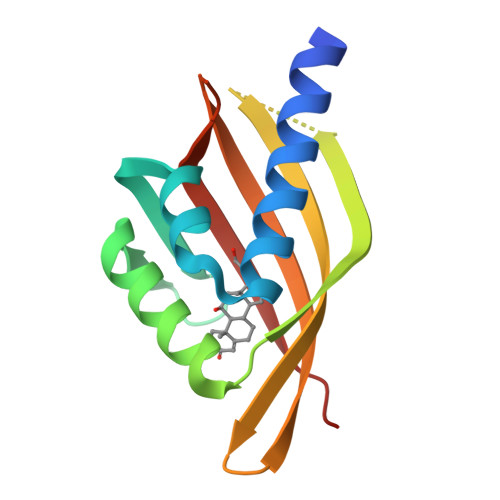
The de novo design of small-molecule-binding proteins holds great promise as a potential tool to develop sensors on-demand for arbitrary small molecules. Here we combine deep learning and physics-based methods to generate a family of proteins with diverse and designable pocket geometries, which we employ to computationally design binders for six small-molecule targets. Biophysical characterization of the designed binders reveals nanomolar to low micromolar binding affinities and atomic-level design accuracy. Additionally, we use a cortisol binder to design a chemically induced dimerization (CID) system that enables the construction of a biosensor for cortisol detection. The approach described here demonstrates the potential of the NTF2 fold and deep learning-based protein design in sensor development, paving the way for future platforms to design binders and sensors for small molecules across analytical, environmental, and biomedical applications.
PMID: 41904144 | DOI: 10.1038/s41467-026-70953-8
- Benzoxaborole-modified azithromycins inhibit translation without inducing ermC expression.
Antimicrob Agents Chemother. March 23, 2026:e0153925.
ABSTRACT:
The rapid increase in antimicrobial resistance underscores the urgent need for new antibacterial agents. One promising strategy involves designing novel compounds through targeted chemical modifications of existing antibiotics. Azithromycin (AZI), a widely used macrolide, has served as a versatile scaffold for developing numerous antibacterial candidates. However, the mechanistic consequences of such modifications remain largely unexplored. Here, we characterize the activity and mechanism of action of three AZI-benzoxaborole (AZI-BB) conjugates. We show that these compounds inhibit bacterial translation in vitro and remain active against a model Escherichia coli strain carrying an inducible ermCL-ermC operon, which confers resistance to macrolide antibiotics. Unlike erythromycin, these derivatives, along with AZI itself, exhibit minimal induction of ErmC expression. Structural analysis reveals that the benzoxaborole moiety of AZI-BB2 forms additional interactions with nucleotides C2441 and C2586 of 23S rRNA, likely contributing to premature ribosome stalling at the ermCL regulatory sequence and thereby preventing ErmC expression. Furthermore, high-throughput toeprinting analysis combined with deep sequencing (Toe-seq) demonstrates that AZI-BB2 exhibits reduced sequence specificity for canonical macrolide-sensitive stalling motifs. Altogether, these findings demonstrate that targeted chemical modification of AZI can reshape its context-specific interaction with the ribosome and attenuate the induction of macrolide resistance mechanisms.
PMID: 41874376 | DOI: 10.1128/aac.01539-25
- Cooperativity in E. coli aspartate transcarbamoylase is tuned by allosteric breathing.
Nat Commun. March 19, 2026:.
ABSTRACT:
Aspartate transcarbamoylase (ATCase) from Escherichia coli catalyzes a key step in pyrimidine nucleotide biosynthesis and has long served as a model for allosteric regulation. Despite decades of study, how nucleotide binding at distant regulatory sites controls cooperativity between active sites remained unresolved. Here we show that ATCase does not simply interconvert between two conformations, as traditionally depicted, but instead samples a continuum of conformations that tune enzyme cooperativity. Using complementary cryo-electron microscopy, small-angle X-ray scattering, and crystallography under conditions that ensure full assembly of the allosteric sites, we show that ATCase behaves like a flexible balloon whose global "breathing" motions directly regulate activity: compression enforces high cooperativity, inhibiting the enzyme, whereas expansion relieves this cooperativity and activates the enzyme. We further show that all four ribonucleoside triphosphates act in symmetric pairs to tune this motion, with the pyrimidines CTP and UTP compressing the enzyme to limit further pyrimidine production, and the purines ATP and GTP expanding it to balance pyrimidine and purine pools. Together, these findings uncover a dynamic breathing mechanism for long-range allosteric communication in ATCase.
PMID: 41862478 | DOI: 10.1038/s41467-026-70909-y
- Discovery and Optimization of a Potent, Efficacious, and Brain-Penetrant Inhibitor of KRAS G12C.
J Med Chem. March 11, 2026, 69(5):5241-5258.
ABSTRACT:
Mutant KRAS is highly prevalent in human cancer and has been actively pursued as a target for drug discovery. Much progress has been made in drugging KRAS G12C, owing to the ability of inhibitors to covalently target its oncogenic cysteine mutation at codon 12. A number of KRAS G12C inhibitors have advanced to clinical development and are being investigated for the treatment of a variety of solid tumors. Notably, many patients with KRAS G12C-positive non-small cell lung cancer develop brain metastases. Herein, we report the discovery and development of a brain-penetrant inhibitor of KRAS G12C using divarasib as a starting point. Optimization efforts focused on reducing molecular weight and topological polar surface area as well as shielding of hydrogen bond donors. In this manner, active transport by both P-gp and breast cancer resistance protein (BCRP) was attenuated, and high exposure in rodent brain tissue was achieved.
PMID: 41769711 | DOI: 10.1021/acs.jmedchem.5c02279
- Report of high data rate macromolecular crystallography (HDRMX) meeting, 23 July 2025
Struct Dyn. March 10, 2026, 13(3):.
ABSTRACT:
This paper is a report of the High Data Rate Macromolecular Crystallography workshop held on 23 July 2025 as part of the 2025 meeting of the American Crystallographic Association in Lombard, IL, USA, 18–23 July 2025. This report summarizes the discussions, questions, action items, and recommendations that arose from the meeting and includes links to the presentations. The sessions were moderated by Aaron S. Brewster and Graeme Winter. There was particularly lively discussion about the possible need for lossy compression as data rates increase, as multimodal experiments become more popular and as research budgets are squeezed.
- Engineered OAA lectins as selective and sensitive high mannose glycan targeting tools.
bioRxiv. March 05, 2026:.
ABSTRACT:
The Oscillatoria agardhii agglutinin (OAA) lectin interacts with N-glycans through a pentamannose core shared among all high mannose N-glycans (HMGs). Because HMGs only differ by number of mannose sugars, there is a scarcity of tools sensitive enough to resolve each specific HMG structure in their biological context. Here, we investigate the sequence space of OAA to tune the binding properties towards selectivity of Man5GlcNAc2, thus generating a structure-specific detection tool. Using phage display to screen a diverse library of OAA variants, we identify a variant with high selectivity for Man5GlcNAc2 that we further dissect to reveal four mutations necessary for selectivity and two mutations responsible for enhanced affinity for all HMGs. Coupling a crystal structure of the selective variant with binding analysis of specific point mutations, we reveal how co-dependent mutations achieve selectivity. We then demonstrate how variants can be valency-modulated on a single beta-barrel scaffold to improve their binding properties by orders of magnitude. Finally, we showcase the applicability of engineered OAA variants as improved HMG profiling tools and tunable antiviral agents.
PMID: 41847011 | PMC: PMC12991080 | DOI: 10.64898/2026.03.04.709641
- Quantification and transcriptome profiling reveal abundant, dynamic and translatable dephospho-CoA-capped RNAs.
Nat Biotechnol. March 03, 2026:.
ABSTRACT:
Cellular metabolites have emerged as noncanonical RNA caps. Despite its early discovery as an RNA cap, the dephospho-CoA (dpCoA) cap remains largely uncharacterized because of a lack of detection technologies. Here we use biochemical and structural analysis to identify Arabidopsis NUDT11 as a specific decapping enzyme toward dpCoA-RNA. Leveraging this specificity, we develop biochemical and transcriptomic methods to quantify and profile dpCoA-RNA across the genome, revealing that dpCoA-RNAs exist across species and exhibit tissue-specific and/or condition-specific variations. In Arabidopsis, dpCoA-RNAs possess distinct transcription start sites and respond more rapidly to high light intensity as compared to 7-methylguanosine (m7G)-capped RNAs. Moreover, Arabidopsis dpCoA-RNAs can reach up to 15% of m7G-capped RNAs in abundance and are associated with translating ribosomes. We further demonstrate that an in vitro transcribed dpCoA-RNA is translated in human cells. This study uncovers a dynamic dpCoA cap that may potentially influence gene expression and establishes a toolkit for future investigations.
PMID: 41781473 | DOI: 10.1038/s41587-026-03040-4
- Modelling of radiation damage and beam-induced heating of room-temperature samples at extremely high flux MX beamlines.
IUCrJ. February 28, 2026:.
ABSTRACT:
The upgrade of the third-generation synchrotrons to diffraction-limited storage rings will enable a gain of up to two orders of magnitude in brilliance and further enable the creation of multiple macromolecular crystallography (MX) beamlines capable of delivering fluxes in excess of 1 × 10¹⁵ photons s-1, here called extremely high flux (EHF) MX beamlines. These beamlines, such as ID29 at ESRF-EBS, BioCARS at APS-U and MicroMAX at MAX IV, have all been either partly or solely geared towards delivering time-resolved MX experiments at room temperature and realizing microsecond time resolutions. Given the uncharted territory of using dose rates in excess of 50 GGy s-1 at many facilities, this article examines some of the expected consequences, suggesting that considerable attention should be paid to beam heating effects for crystals <20 µm exposed to 1 × 10¹⁵ photons s-1. Several strategies have been proposed to mitigate heating effects when high dose rates are required for a time-resolved experiment, including reducing the absorbed dose by increasing the size of the crystal and the beam profile, and explicitly exploiting the motion of the crystal in serial crystallography delivery systems. The model presented here is intended to serve as a useful tool to inform experimental design and support users' decision making in such cases.
PMID: 41677423 | DOI: 10.1107/S2052252525011224
- Experience with the Jungfrau-1M detector at Diamond Light Source
J. Synchrotron Radiat.. February 17, 2026, 33(2):.
ABSTRACT:
A Jungfrau-1M detector has undergone testing at Diamond Light Source. The Jungfrau series of detectors from PSI use integration and adaptive gain, to offer very high frame rate and dynamic range, suitable for high-flux and time-resolved measurements. They are becoming more widely used, to take advantage of increasing light source brightness. We report on our experiences in testing the performance of a Jungfrau-1M without illumination, with a laboratory X-ray tube and on a microfocus beamline. The Jungfrau-1M was found to be able to resolve single photons in the laboratory and on the beamline. It was confirmed that range switching from high to intermediate gain is associated with a discontinuity in the detector response. Two methods of dark frame subtraction were compared for their effect on minimizing this discontinuity. The Jungfrau-1M was found to be very effective for recording macromolecular crystallography diffraction patterns, with no apparent detriment from the discontinuity. The Diamond machine will be upgraded in 2028-9 and will operate at significantly higher flux than at present, necessitating increased use of integrating detectors, such as Jungfrau, in the future.
- RAPD2: Rapid Automated Processing of Macromolecular Crystallographic Data 2
Struct. Dyn.. February 03, 2026, 12(5_Supplement):A280-A280.
ABSTRACT:
RAPD2 is a modular package of programs written for the automated processing of macromolecular crystallographic data at the NE-CAT beamlines. It monitors for collected data, processes snapshots to create strategies for data collection, processes data runs for structure solution, and can then solve the structure using molecular replacement or single-wavelength anomalous diffraction with results stored in a MongoDB. Most of the backend code is written in Python3 with an AngularJS based frontend. This allows users to login with a web browser to view results, modify settings and rerun jobs, or launch additional pipelines (see Kay Perry). The RAPD2 code is designed to be modular on multiple levels. With a variety of possible experimental and computing environments in mind, RAPD2 is separated into several interdependent modules. At the highest level, X-Ray source monitoring (Monitors), core data handling and archiving (Control), and job launching (Launch) can be started through the Control or separated into distinct programs that communicate by passing Python objects over standard TCP sockets or Redis Streams. This allows flexibility in setup; for example, RAPD was developed on a single computer, so the Control and the Launch programs initially ran on a single machine; when a computational cluster was later acquired, the Launch module was moved with minimal changes to either program. On a deeper level, the code is divided into functionally distinct modules. For example, each pipeline is self-contained and called by a launch adapter when needed, allowing nimble development (i.e. bug fixes) that do not require any program restarting to take effect. Additional benefits of the built-in modularity are that all site-specific settings and functions are isolated as much as possible to one module (Site), so adapting RAPD to a new experimental environment is relatively simple.At NE-CAT, Redis Streams are used for communication between the beamline and the RAPD2 Monitors; however this can be modified to suit different environments at other facilities. The Monitors save the beamline information in MongoDB and pass it to Control, where the strategy or data processing commands are generated. These commands are sent to a Launch manager that decides where to launch the job based on Site settings. This provides flexibility in launching jobs on specific machines using a shell launch adapter or on a computer cluster with launch adapters for various cluster workload managers including SLURM, SGE, and PBS. For strategy commands, the index pipeline is launched, where six Labelit autoindexing jobs are started simultaneously with different peak pick settings, each optimized for different types of diffraction data. Once the best solution is determined, Raddose is run to calculate radiation damage parameters, which are input to BEST for the regular and anomalous data collection strategies. This pipeline takes approximately 30s to complete, and results are displayed in the UI. The index pipeline is modular, so other auto-index, radiation damage, or strategy programs can be launched through different plugins. For data runs, the integration pipeline is launched running XDS multiple times to optimize the results. This pipeline takes a few minutes to finish, and results are displayed in the UI. A new mintegrate pipeline will additionally launch data processing in autoPROC, Fast DP, and XIA2, with results from all 4 data processing programs displayed in the UI for comparison.
- Automated Data Merging, Analysis and Structure Solution in RAPD2
Struct. Dyn.. February 03, 2026, 12(5_Supplement):A246-A246.
ABSTRACT:
In the current regime of fast data acquisition and vast computing power, automated data processing coupled to data analysis and structure solution should be the norm. RAPD2 (Rapid Automated Processing of X-ray Data 2) at the Northeastern Collaborative Access Team (NE-CAT) combines Python 3.0 on the backend and the AngularJS framework on the frontend to create an updated user interface that works on any current web browser to allow users to leverage the computing resources at NE-CAT to view processed data, data analysis and perform structure solution. Coming off the APS-U, NE-CAT has modernized our heavily used RAPD away from Python2.7 and PHP; but the basic concept remains the same. In the data analysis and structure solution pipelines, RAPD2 leverages the power of python and CCTBX (the Computational Crystallography Toolbox) to automatically launch crystallographic programs, scrapes the results from program output and presents the results to the users on a web-browser, eliminating the need for installation of programs.After automated data integration, RAPD2 offers data analysis through a combination of programs from CCP4 and Phenix. The space group of the dataset is verified with pointless, checked for pseudo-translation, twinning and non-crystallographic symmetry. Datasets can be assessed for isomorphism through either similarity in Bragg reflection intensities or unit cell variation and then merged to increase anomalous signal or to complete partial datasets. Molecular replacement using CCP4 and Phenix is available using a known structure or AlphaFold model. SAD phasing with autobuilding leverages Shelx and Phenix. Ligand detection through peak search of a difference map is also available. With designation of projects, in the future, data merging and structure solution can also be automated, providing users with a structure that only requires model building and refinement at the end of a synchrotron visit.
- Discovery of a Potent, Selective, and In Vivo Efficacious Covalent Inhibitor for Lysine Methyltransferase SETD8.
J Med Chem. January 25, 2026, 69(4):4255-4269.
ABSTRACT:
Dysregulated signaling of SET domain-containing protein 8 (SETD8) has been implicated in tumorigenesis, yet most SETD8 inhibitors exhibited limited cellular efficacy. Herein, we developed a potent and selective SETD8 covalent inhibitor, MS2928 (3), featuring a propiolamide covalent warhead. Compound 3 potently and selectively inhibited SETD8 methyltransferase activity. The covalent inhibition mechanism of 3 was confirmed by mass spectrometry and X-ray crystallography. Moreover, 3 significantly reduced the histone H4 lysine 20 monomethylation (H4K20me1) levels in cells and robustly inhibited the proliferation of SETD8-overexpressing multiple myeloma (MM) cell lines with no significant antiproliferative effect on SETD8-low expressing MM cells and normal cells. Importantly, 3 effectively inhibited tumor growth in vivo in two xenograft mouse models of SETD8-overexpressing MM cell lines. Collectively, our results establish 3 as a valuable chemical tool for exploring the biological functions of SETD8 and pave the way for further development of novel epigenetic therapies for MM.
PMID: 41693203 | PMC: PMC12987572 | DOI: 10.1021/acs.jmedchem.5c02958
- Serendipitous Discovery of an Allosteric Inhibitor Binding Groove in the Proline Biosynthetic Enzyme Pyrroline-5-Carboxylate Reductase 1 (PYCR1).
Biochem J. January 21, 2026:.
ABSTRACT:
Δ1-pyrroline-5-carboxylate (P5C) reductase 1 (PYCR1) catalyzes the NAD(P)H-dependent conversion of L-P5C to L-proline and is one of the most consistently upregulated metabolic enzymes in cancer cells. High PYCR1 expression is associated with adverse clinical outcomes, and its knockdown inhibits tumor proliferation and metastasis, motivating inhibitor discovery. All structurally validated PYCR1 inhibitors to date bind in the active site and are anchored in the L-P5C binding pocket by an anionic functional group, typically carboxylate. Seeking inhibitors with alternative anchors, we used X-ray crystallography to screen 22 fragment-like compounds (MW = 189-343 Da) from docking that represent six different carboxylic acid isosteres. Surprisingly, only one compound bound in the active site. Four other compounds were found in three adjacent remote sites located in oligomer interfaces. The compounds bind 7 Å from NADH and 10-14 Å from L-P5C, and the intervening space is blocked by protein for inhibitors in Sites 1A/1B and open for inhibitors in Site 2. Together, the three binding sites define a ligand binding hot spot groove that spans 33 Å. The remote binders inhibit PYCR1 activity with K values from the mixed model of inhibition of 32 μM to 2 mM. Co-crystal structures of PYCR1 with combinations of allosteric inhibitors, NADH, and L-P5C/proline analogs suggest the inhibitors can bind to the ternary PYCR1-L-P5C-NAD(P)H complex in addition to the free enzyme, consistent with a mixed mechanism of inhibition. The discovery of an allosteric inhibitor binding groove that accommodates multiple fragments heralds a new era of PYCR1 inhibitor design.
PMID: 41569420 | DOI: 10.1042/BCJ20250278
- Structures of the eIF4G-binding RNA domains among picornaviral IRES types are topologically conserved.
Nat Commun. January 13, 2026, 17(1):.
ABSTRACT:
RNA domains within viral IRESs are crucial for initiating cap-independent translation of the genome in many positive-sense RNA viruses. However, the structures and mechanisms of these IRES domains remain unclear. Here, we present the 3 Å resolution crystal structure of the coxsackievirus B3 (CVB3) IRES domain V (dV) as a model for type I IRESs. The crystal structure revealed an elongated architecture of dV, with two sets of coaxially stacked stems forming an H-type four-way junction (4WJ) organized by an A-rich motif. Despite sequence dissimilarities, this dV from a type I IRES exhibits remarkable structural similarity to the analogous tertiary structures of the encephalomyocarditis virus (EMCV) JK domain and the hepatitis A virus (HAV) dV, which are typical domains in the type II and III IRESs, respectively. While SAXS studies indicate a similar RNA fold of dV in solution, structure-guided binding, computational modeling, and X-ray footprinting studies with and without the HEAT1 domain of eIF4G, compared to the analogous type II (EMCV JK) and III (HAV dV) domains, suggest that various IRESs maintain a common mechanism of eIF4G binding interactions during viral genome translation. Despite sequence variability, this structural conservation across IRES types may offer unique opportunities to develop universal antivirals targeting these structures.
PMID: 41690908 | PMC: PMC13018306 | DOI: 10.1038/s41467-026-69554-2
- Dual recruitment of two CCM2 molecules to KRIT1 suppresses KLF4 expression.
Nat Commun. January 12, 2026, 17(1):.
ABSTRACT:
Regulated expression of Kruppel like factor (KLF) transcription factors is essential for normal maintenance of endothelial cells, but loss of either K-Rev interaction trapped 1 (KRIT1) or cerebral cavernous malformations 2 (CCM2) proteins results in significant over-expression of KLF4 protein, causing the cerebrovascular disorder, cerebral cavernous malformations. Here, combining knockdown and reconstitution in an endothelial cell line, with co-immunoprecipitation, biophysical analysis of purified proteins, and co-crystallography, we find that to restrain KLF4 expression, two CCM2 proteins must cluster on a single KRIT1, with the PTB domain of each CCM2 protein binding either the second or third NPxF motif within KRIT1. This clustering of two PTB domains to a single peptide reveals a previously unobserved mechanism for PTB domain recruitment to partner proteins. Overall, our data support a model where clustering of two CCM2 molecules to one KRIT1 is required for normal regulation of expression of KLF4 transcription factor.
PMID: 41688454 | PMC: PMC13013565 | DOI: 10.1038/s41467-026-69595-7
- Design of a Targeted Covalent Probe to Interrogate the DNA Polymerase Activity of Polθ.
ACS Med Chem Lett. January 11, 2026, 17(2):433-440.
ABSTRACT:
Human DNA polymerase θ (Polθ) is essential for microhomology-mediated end-joining (MMEJ) and represents a therapeutic vulnerability in homologous recombination (HR)-deficient cancers. Although reversible inhibitors of Polθ have advanced into clinical development, covalent chemical probes remain unexplored. Analysis of a previously described structure of the reversible inhibitor compound 37 bound to Polθ identified Cys2411 as an accessible residue 7.4 Å adjacent to the inhibitor binding site. Guided by X-ray crystallographic studies, we designed compound 29 to reduce the separating distance between inhibitor and Cys2411 to 4.7 Å and then synthesized RP-4029 by incorporating a vinyl sulfone electrophile. Functional studies revealed efficient covalent linkage to Cys2411 (K inact = 11.6 s-1), while a high-resolution (2.0 Å) cocrystal structure validated the design strategy. These findings establish Cys2411 as a privileged site for covalent inhibitor development and provide a highly potent, selective chemical probe useful for investigating Polθ biology.
PMID: 41704370 | PMC: PMC12907964 | DOI: 10.1021/acsmedchemlett.5c00643
- Structure of SHOC2-KRAS-PP1C complex reveals RAS isoform-specific determinants and insights into targeting complex assembly by RAS inhibitors.
Nat Commun. January 09, 2026:.
ABSTRACT:
RAF activation is essential for MAPK signaling and is mediated by RAS binding and the dephosphorylation of a conserved phosphoserine by the SHOC2-RAS-PP1C complex. MRAS forms a high-affinity SHOC2-MRAS-PP1C (SMP) complex, while canonical RAS isoforms (KRAS, HRAS, NRAS) form analogous but lower-affinity assemblies. Yet, cancers driven by oncogenic KRAS, HRAS, or NRAS remain strongly SHOC2-dependent, suggesting that these weaker complexes contribute to tumorigenesis. To elucidate how canonical RAS proteins form lower-affinity ternary complexes, the cryo-EM structure of the SHOC2-KRAS-PP1C (SKP) complex stabilized by Noonan syndrome mutations is described. The SKP architecture is similar to the SMP complex but forms fewer contacts and buries less surface area due to the absence of MRAS-specific structural features in KRAS that enhance complex stability. RAS inhibitors MRTX1133 and RMC-6236 alter Switch-I/II conformations, thereby blocking SKP assembly more effectively than they disrupt preformed complexes. These RAS inhibitors do not affect SMP formation because they do not bind MRAS. Since MRAS is upregulated in resistance to KRAS inhibition, we characterize a MRAS mutant capable of binding MRTX1133. This MRAS mutant can form an SMP complex, but MRTX1133 blocks its assembly, demonstrating the feasibility of dual SKP and SMP targeting. Overall, our findings define isoform-specific differences in SHOC2-RAS-PP1C complex formation and support a strategy to prevent both SKP and SMP assemblies to overcome resistance in RAS-driven cancers.
PMID: 41519889 | DOI: 10.1038/s41467-026-68319-1
- Structural basis for binding of RILPL1 to TMEM55B reveals a lysosomal platform for adaptor assembly through a conserved peptide motif.
Structure. January 04, 2026, 34(2):296-310.e5.
ABSTRACT:
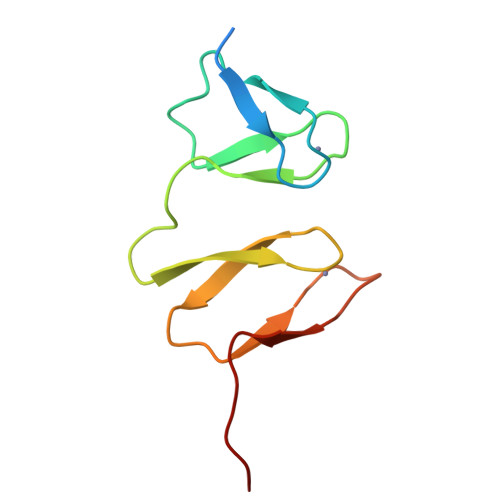
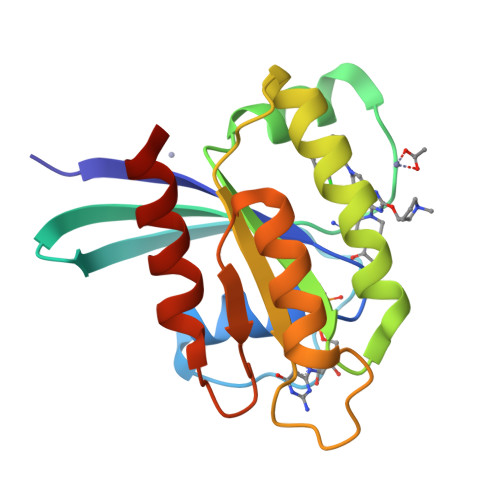
Inherited mutations in VPS35 and LRRK2 kinase lead to hyperphosphorylation of Rab GTPases. RH2 domain-containing proteins from the RILP homology family, such as RILPL1, are Rab effectors that recognize the LRRK2-phosphorylated switch 2 threonine of phospho-Rab8A and phospho-Rab10. Phospho-Rabs are also seen on lysosomal membranes in complex with RILPL1 and TMEM55B, a 284-residue lysosomal membrane protein lacking homology to known proteins. Here, we report crystal structures of the cytosolic region 80-166 of TMEM55B alone and in complex with a C-terminal RILPL1 peptide, which we define as the TMEM55B-binding motif (TBM). The RILPL1 TBM sits in a shallow groove across two tandem RING-like domains of TMEM55B, each forming a Zn2+-stabilized 40-residue β-sandwich. Co-immunoprecipitation and mass spectrometry studies indicate that TMEM55B forms complexes independently of phospho-Rabs with conserved TBMs found in JIP3, JIP4, OCRL, WDR81, and TBC1D9B. These studies suggest that TMEM55B acts as a central hub for adaptor recruitment on lysosomes.
PMID: 41314214 | DOI: 10.1016/j.str.2025.11.003
- Structural analysis of a motor with increased mechanical output reveals new transitions in kinesin microtubule motility.
Sci Rep. January 04, 2026, 16(1):487.
ABSTRACT:
The online version contains supplementary material available at 10.1038/s41598-025-28573-7.
PMID: 41491787 | PMC: PMC12775400 | DOI: 10.1038/s41598-025-28573-7
- An allosteric network governs Tom70 conformational dynamics to coordinate mitochondrial import.
Structure. January 04, 2026, 34(2):273-283.e6.
ABSTRACT:
Tom70 mediates mitochondrial protein import by coordinating transfer of cytosolic preproteins from Hsp70/Hsp90 to the translocase of the outer membrane (TOM) complex. In humans, the cytosolic domain of Tom70 (HsTom70c) is entirely α-helical and comprises modular TPR motifs divided into an N-terminal chaperone-binding and a C-terminal preprotein-binding domain. However, the mechanisms linking these functional regions remain poorly understood. Here, we present the 2.04 Å crystal structure of unliganded HsTom70c, revealing two distinct conformations-open and closed-within the asymmetric unit. These states are stabilized by interdomain crystal contacts and supported in solution by hydrogen-deuterium exchange mass spectrometry (HDX-MS) and molecular dynamics (MD) simulations. Principal component and network analyses reveal a continuum of motion linking the NTD and CTD via key residues in helices α7, α8, and α25. Engagement of the CTD by viral protein Orf9b disrupts this network, stabilizing a partially closed intermediate and dampening distal NTD dynamics.
PMID: 41386227 | PMC: PMC13075491 | DOI: 10.1016/j.str.2025.11.011
- The CspC:CspA heterodimer transduces germinant and co-germinant signals during Clostridioides difficile spore germination.
PLoS Biol. December 31, 2025, 24(2):e3003610.
ABSTRACT:
The clinically significant pathogen Clostridioides difficile lacks the transmembrane nutrient germinant receptors conserved in almost all spore-forming bacteria. Instead, C. difficile initiates spore germination using a unique mechanism that requires two signals: a bile acid germinant and a co-germinant, which can be either an amino acid or a divalent cation. While two soluble pseudoproteases, CspC and CspA, were initially identified as the germinant and co-germinant receptors, respectively, in C. difficile, we previously identified residues in an unstructured region of CspC that regulate the sensitivity of C. difficile spores to both signals. However, the mechanism by which CspC transduces these signals remained unclear. Here, we demonstrate that CspC forms a stable complex with CspA and determine the crystal structure of the CspC:CspA heterodimer. The structure reveals extensive interactions along the binding interface, including direct interactions between the unstructured region of CspC and CspA. Using structure-function analyses, we identify CspC:CspA interactions that regulate the sensitivity of C. difficile spores to germinant signals and show that CspA regulates the response of C. difficile to not only co-germinant but also germinant signals. While we show that CspA can form a homodimer and determine its crystal structure, CspA homodimerization appears unimportant for C. difficile spore germination. Collectively, our analyses establish the CspC:CspA heterodimer, rather than its individual constituents, as a critical signaling node for sensing both germinant and co-germinant signals. They also suggest a new mechanistic model for how C. difficile transduces germinant signals, which could guide the development of therapeutics against this important pathogen.
PMID: 41628221 | PMC: PMC12880746 | DOI: 10.1371/journal.pbio.3003610
- Computational design of metallohydrolases.
Nature. December 31, 2025, 649(8095):246-253.
ABSTRACT:
De novo enzyme design seeks to build proteins containing ideal active sites with catalytic residues surrounding and stabilizing the transition state(s) of the target chemical reaction1-7. The generative artificial intelligence method RFdiffusion8,9 solves this problem, but requires specifying both the sequence position and backbone coordinates for each catalytic residue, limiting sampling. Here we introduce RFdiffusion2, which eliminates these requirements, and use it to design zinc metallohydrolases starting from quantum chemistry-derived active site geometries. From an initial set of 96 designs tested experimentally, the most active has a catalytic efficiency (kcat/KM) of 16,000 M-1 s-1, orders of magnitude higher than previously designed metallohydrolases6,7,10,11. A second round of 96 designs yielded 3 additional highly active enzymes, with kcat/KM values of up to 53,000 M-1 s-1 and a catalytic rate constant (kcat) of up to 1.5 s-1. The design models of the four most active designs differ from known structures and from each other, and the crystal structure of the most active design is very close to the design model, demonstrating the accuracy of the design method. The most active enzymes are predicted by PLACER12 and Chai-1 (ref. 13) to have preorganized active sites that effectively position the substrate for nucleophilic attack by a water molecule activated by the bound metal. The ability to generate highly active enzymes directly from the computer, without experimental optimization, should enable a new generation of potent designer catalysts14,15.
PMID: 41339547 | PMC: PMC12727532 | DOI: 10.1038/s41586-025-09746-w
- Tetravalent antibodies are more potent and efficacious erythropoiesis-stimulating agents than erythropoietin in vivo.
Protein Sci. December 31, 2025, 35(2):e70462.
ABSTRACT:
Recent studies have shown that tetravalent antibodies are potent and efficacious agonists of the erythropoietin (EPO) receptor (EPOR) both in vitro and in vivo. To identify antibody-based erythropoiesis-stimulating agents (ESAs) with therapeutic potential, we evaluated various tetravalent antibody formats for EPOR agonism and key biophysical properties necessary for biologic drug development. We identified two distinct tetravalent antibody formats that strongly stimulated the growth of UT7/Epo cells, which rely on EPOR signaling for proliferation. Moreover, one of these formats exhibited ideal biophysical characteristics for drug development. This format consisted of a diabody (Db) and two antigen-binding fragment (Fab) arms fused to the N- and C-termini of an Fc domain, respectively, to form a tetravalent Db-Fc-Fab (EPRA-0322). In a mouse model expressing the human EPOR, EPRA-0322 induced erythropoiesis with greater potency, efficacy, and duration than darbepoetin, a hyperglycosylated EPO currently used in clinical practice. These findings highlight tetravalent antibodies, and the Db-Fc-Fab format in particular, as promising next-generation ESAs suitable for large-scale production and clinical use.
PMID: 41556618 | PMC: PMC12817467 | DOI: 10.1002/pro.70462
- Development of cell-active BRD4-D1 selective inhibitors to decode the role of BET proteins in LPS-mediated liver inflammation.
Eur J Med Chem. December 19, 2025:118519.
ABSTRACT:
The endogenously expressed BET proteins (BRD2, BRD3, BRD4) are upstream clinical targets for anti-inflammatory treatments, where inhibition of the tandem bromodomains (D1 and D2) have proven efficacious in vitro and in vivo towards NF-κB-mediated inflammation. Despite their efficacy, dose-limiting toxicities associated with BET inhibition have limited clinical progression. One strategy to circumvent these dose-limiting toxicities has included domain- or protein-selective inhibition of the BET bromodomains. Based on previously reported 1,2,4-substituted imidazole scaffolds, we characterize and report on next-generation BRD4-D1 selective inhibitors, 39 and 41. Compound 39 is both highly potent and selective towards BRD4-D1 (Ki = 2.9 ± 1.0 nM, >1700-fold over BRD2-D1 via fluorescence anisotropy) over other BET bromodomains in addition to being cell-active at nanomolar concentrations. We also characterized 39's solubility and cellular activity in addition to its off-target hERG liability (a common cardiovascular risk for drug candidates). An acetylated analogue, 41, had an 80-fold reduced hERG affinity compared to previous BRD4-D1 selective compounds. In the context of liver inflammation, we screened 39 against an LPS-mediated cellular model of liver inflammation. Upon treatment with 39, pro-inflammatory chemokines CXCL1 and CCL2 transcripts were significantly downregulated compared to the control; however, BRD4-D1 selective inhibition remained insufficient to reproduce the anti-inflammatory activity of pan-BET treatment. On a mechanistic level, these data highlight that more than one bromodomain within the BET family may be contributing to CXCL1 and CCL2 expression, where multi-domain inhibition or other therapeutic modalities may be needed in these contexts to achieve sufficient anti-inflammatory effects.
PMID: 41448046 | PMC: PMC12768458 | DOI: 10.1016/j.ejmech.2025.118519
- Structure of European robin cryptochrome 1 reveals a role in circadian rhythms, not magnetoreception.
iScience. December 18, 2025, 28(12):114015.
ABSTRACT:
Cryptochromes (CRYs) play critical roles in regulating diverse physiological functions, including circadian rhythms and neuronal firing in light-dependent or -independent fashions. Structural studies of CRYs have highlighted common features, such as the photolyase homology region (PHR), but they also reveal key differences, particularly in the binding of the flavin adenine dinucleotide (FAD) cofactor, leading to a long-standing debate, namely, whether Type I CRYs can function as FAD-dependent photosensors. This study solves the first crystal structure of a Type II CRY from a migratory songbird, namely, the European robin (Erithacus rubecula) CRY1. Structural, biochemical, and computational analyses of erCRY1 reveal that, unlike light-activated Type I and IV CRYs, Type II CRYs do not bind FAD and employ an open primary pocket for protein-protein interactions. These findings offer new insights into the structural basis of CRY function and suggest that migratory song-bird Type II CRYs function as circadian regulators, not magnetoreceptors.
PMID: 41488359 | PMC: PMC12757563 | DOI: 10.1016/j.isci.2025.114015
- The Emergence of Novel Versus Known Three-Dimensional Structures from Random Sequences.
bioRxiv. December 06, 2025:.
ABSTRACT:
The availability of powerful and accurate programs for predicting protein three-dimensional structures enables one to ask fundamental questions concerning the origin of folded functional proteins during evolution. We show that 120-residue proteins composed of random sequences repeated in tandem are predicted to be much more likely to fold than fully random proteins. These studies validate previous predictions that proteins evolved through the repetition and assortment of short peptide sequences. Also, some of the predicted structures represent novel conformations, which were confirmed experimentally. These findings advance our understanding of molecular evolution and have implications for design of novel proteins.
PMID: 41573852 | PMC: PMC12822642 | DOI: 10.64898/2025.12.04.691947
- Sensitive detection of structural dynamics using a statistical framework for comparative crystallography.
Sci Adv. December 04, 2025, 11(49):eadj2921.
ABSTRACT:
Chemical and conformational changes are crucial to protein function and its pharmacological control. X-ray crystallography can reveal these changes in atomic detail, but standard analysis methods, which refine separate datasets, often overlook differences that are subtle or arise in only a subset of molecules. Direct comparison of crystallographic datasets is, in principle, more powerful, but systematic errors ("scales") often mask changes in the crystallographic observables ("structure factors"). Machine learning algorithms that jointly estimate scales and structure factors can address this limitation. Here, we augment this approach with multivariate, structured priors derived from crystallographic theory, implemented in the variational deep learning framework Careless. Doing so strongly improves the detection of protein dynamics, element-specific anomalous signals, and the binding of drug candidates, offering a robust approach to comparative crystallography and, potentially, to detection of protein dynamics by other structure determination methods.
PMID: 41337576 | PMC: PMC12674120 | DOI: 10.1126/sciadv.adj2921
- The structural basis for the selective antagonism of soluble TNF-alpha by shark variable new antigen receptors.
Nat Commun. November 28, 2025, 17(1):256.
ABSTRACT:
The pro-inflammatory cytokine tumor necrosis factor-alpha (TNF-α) is synthesized as transmembrane TNF-α (tmTNF-α) where proteolytic processing releases soluble TNF-α (sTNF-α). tmTNF-α can act as either a ligand by activating TNF receptors, or a receptor that transmits reverse (outside-to-inside) signalling after binding to native receptors. All TNF-α therapies bind tmTNF-α and induce reverse signalling which can result in immunosuppression leading to infection. We present crystal structures of two anti-TNF-α Variable New Antigen Receptors (VNARs) in complex with sTNF-α via two distinct epitopes. The VNAR-D1 recognizes an epitope that selectively engages sTNF-α while VNAR-C4 binds an epitope that partially overlaps with other biologic therapies. In activated CD4+ T cells, our VNARs do not induce reverse signalling in contrast to currently available therapies. Our findings suggest that neutralization through a unique mechanism may lead to anti-TNF-α agents with an improved safety profile that will benefit high-risk patients.
PMID: 41318641 | PMC: PMC12783797 | DOI: 10.1038/s41467-025-66967-3
- How ATP and dATP reposition class III ribonucleotide reductase cone domains to regulate enzyme activity.
Sci Adv. November 27, 2025, 11(48):eady9156.
ABSTRACT:
Ribonucleotide reductases (RNRs) catalyze the conversion of ribonucleotides to deoxyribonucleotides. In the majority of cases, RNR activity is allosterically regulated by the cellular 2'-deoxyadenosine 5'-triphosphate (dATP)/adenosine 5'-triphosphate (ATP) ratio. To investigate allosteric activity regulation in anaerobic or class III (glycyl radical containing) RNRs, we determine cryo-electron microscopy structures of the class III RNR from Streptococcus thermophilus (StNrdD). We find that StNrdD's regulatory "cone" domains adopt markedly different conformations depending on whether the activator ATP or the inhibitor dATP is bound and that these different conformations alternatively position an "active site flap" toward the active site (ATP-bound) or away (dATP-bound). In contrast, the position of the glycyl radical domain is unaffected by the cone domain conformations, suggesting that StNrdD activity is regulated through control of substrate binding rather than control of radical transfer. Hydrogen-deuterium exchange mass spectrometry and mutagenesis support the structural findings. In addition, our structural data provide insight into the molecular basis by which ATP and dATP binding lead to the observed differential cone domain conformations.
PMID: 41313771 | PMC: PMC12662201 | DOI: 10.1126/sciadv.ady9156
- Impact of 2′-deoxyribo-purine substrates on nonenzymatic RNA template-directed primer extension
bioRxiv. November 19, 2025:.
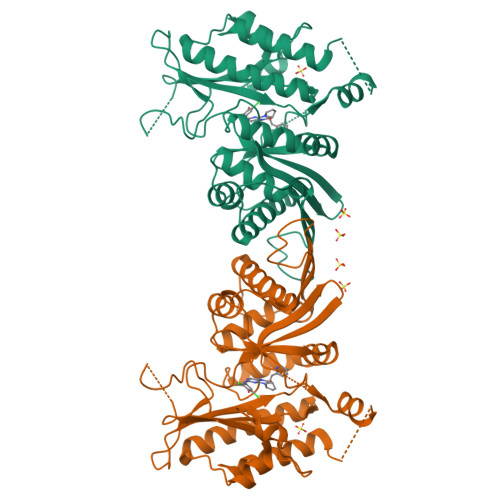
ABSTRACT:
The composition of the primordial genetic material remains uncertain. Studies of duplex structure and stability, and of nonenzymatic template copying chemistry, provide insight into the viability of potentially primordial genetic polymers. Recent work suggests that 2′- deoxyribo-purine nucleotides may have been generated together with ribonucleotides on the early Earth. Since DNA/RNA duplexes are known to be less stable than RNA/RNA duplexes, we have examined the impact of dA, dI, and dG substitutions on RNA structure and nonenzymatic template copying. We find that single 2′-deoxyribo-purine substitutions reduce RNA duplex stability, as expected. Crystallographic studies show that such substitutions lead to minimal structural changes but point to diminished solvation as a likely reason for duplex destabilization. Kinetic studies show that dI and dG substrates exhibit slightly weaker template binding and slower rates of template-directed primer extension than the corresponding ribo-purine substrates. In contrast, dA substrates exhibit much slower reaction kinetics but higher template affinity than rA substrates. Our results suggest that a mixed RNA/DNA primordial genetic polymer would have suffered from moderately slower rates of template copying, but that this could have been offset by an advantage due to more facile strand separation or exchange.
- The structure of the full catalytic cycle of Vibrio cholerae NFeoB
bioRxiv. November 19, 2025:2025.10.06.680749.
ABSTRACT:
The acquisition of iron is critical for the survival and the virulence of numerous infectious pathogens, and most bacteria acquire ferrous iron (Fe2+) by utilizing the ferrous iron transport (Feo) system. FeoB is the main component of this system, and its function is regulated by the soluble cytosolic domain, termed NFeoB. We have recently begun to define the structure and the mechanism of the Feo system from the bacterium Vibrio cholerae, the causative agent of the disease cholera. However, major structural gaps in our understanding of the nucleotide-promiscuous V. cholerae NFeoB still exist. In this work, we have determined several new X-ray crystal structures that reveal distinct snapshots of the VcNFeoB domain in uncommon and unprecedented states, ultimately illuminating the full catalytic cycle of this NTPase. This work reveals important functional features of VcNFeoB that may be leveraged and ultimately targeted to prevent the infectivity and the spread of cholera.
- Structural basis of DNA-dependent coactivator recruitment by the tuft cell master regulator POU2F3.
Cell Rep. November 17, 2025:116572.
ABSTRACT:
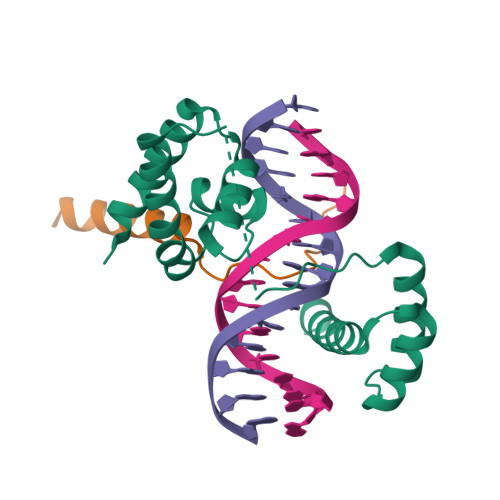
The transcription factor POU2F3 defines the identity of tuft cells and underlies a distinct molecular subtype of small cell lung cancer (SCLC). Although POU2F3 is considered undruggable, its activity critically depends on the coactivators OCA-T1 and OCA-T2. Here, we demonstrate that acute suppression of either POU2F3 or OCA-T1 induces regression of tuft cell-like SCLC xenografts in vivo. To explore the structural basis and druggability of this dependency, we determine crystal structures of POU2F3 bound to OCA-T1 or OCA-T2 in complex with DNA, revealing a tripartite, DNA-dependent interface. We further employ deep mutational scanning to assess the functional impact of 4,218 missense variants in POU2F3 and OCA-T1, uncovering both mutation-sensitive hotspots and structurally constrained regions critical for tumor cell fitness. These findings define a transcriptional complex that integrates DNA recognition with coactivator recruitment and nominate POU2F3-OCA-T as a structurally tractable vulnerability in tuft cell-like carcinomas.
PMID: 41260223 | DOI: 10.1016/j.celrep.2025.116572
- Bi-allelic PRMT9 loss-of-function variants cause a syndromic form of intellectual disability.
Am J Hum Genet. November 17, 2025:.
ABSTRACT:
Protein arginine methyltransferase 9 (PRMT9) is part of the PRMT family, and it is suspected to function in pathways relevant to neurodevelopment. It is thought to participate in alternative splicing through interactions with the splicing factor SF3B2 (SAP145). In this study, we report 26 families (35 individuals) with bi-allelic loss-of-function variants in PRMT9, implicating PRMT9 in an autosomal-recessive human disease. Individuals primarily present with a neurodevelopmental disorder characterized by global developmental delay, learning disabilities, mild to severe intellectual disability, autism spectrum disorder, epilepsy, and hypotonia. The mutation spectrum includes 26 different variants such as frameshifting indels, nonsense variants, missense variants, and two copy-number variants. Mapping of the disease-causing missense variants onto the crystal structure of PRMT9 revealed that several of the variants reside within the catalytically active module of PRMT9, likely impairing its methyltransferase activity and resulting in a loss of function. In skin fibroblasts derived from affected individuals, we observed reduced expression at the RNA and/or protein level and subsequent aberrant methylation activity. Moreover, transcriptomic analysis of fibroblasts from affected individuals indicated differential expression of genes related to intellectual disability, autism, and cilia, suggesting a role of PRMT9 during ciliogenesis. Under ciliogenesis conditions, the skin-derived fibroblasts exhibited anomalies in the length of primary cilia but normal amounts of cilia. In addition, a prmt9 knockout zebrafish model displayed abnormal social preference in adult animals. Altogether, our findings implicate bi-allelic PRMT9 loss-of-function variants as causal for neurodevelopmental disorders.
PMID: 41260215 | DOI: 10.1016/j.ajhg.2025.10.014
- Crystal structure of MutYX: a novel clusterless adenine DNA glycosylase with a distinct C-terminal domain and 8-oxoguanine recognition sphere.
Nucleic Acids Res. November 12, 2025, 53(21):.
ABSTRACT:
The [4Fe-4S] cluster is an important cofactor of the base excision repair (BER) adenine DNA glycosylase MutY to prevent mutations associated with 8-oxoguanine (OG). Several MutYs lacking the [4Fe-4S] cofactor have been identified. Phylogenetic analysis shows that clusterless MutYs are distributed in two clades suggesting cofactor loss has occurred in multiple independent evolutionary events. Herein, we determined the first crystal structure of a clusterless MutY complexed with DNA. On the basis of the dramatic structural divergence from canonical MutYs, we refer to this as representative of a clusterless MutY subgroup "MutYX." Interestingly, MutYX compensates for the missing [4Fe-4S] cofactor to maintain positioning of catalytic residues by expanding a pre-existing α-helix and acquisition of a new α-helix. Surprisingly, MutYX also acquired a new C-terminal domain that uniquely recognizes OG using residues Gln201 and Arg209. Adenine glycosylase assays and binding affinity measurements indicate that Arg209 is the primary residue responsible for OG:A lesion specificity, while Gln201 assists by bridging OG and Arg209. Surprisingly, replacement of Arg209 and Gln201 with Ala increased activity toward G:A mismatches. The MutYX structure serves as an example of devolution, capturing structural features required to retain function in the absence of a metal cofactor considered indispensable.
PMID: 41273174 | PMC: PMC12631127 | DOI: 10.1093/nar/gkaf1127
- Structural insights into context-specific inhibition of bacterial translation by macrolides.
Nat Commun. November 02, 2025, 16(1):9685.
ABSTRACT:
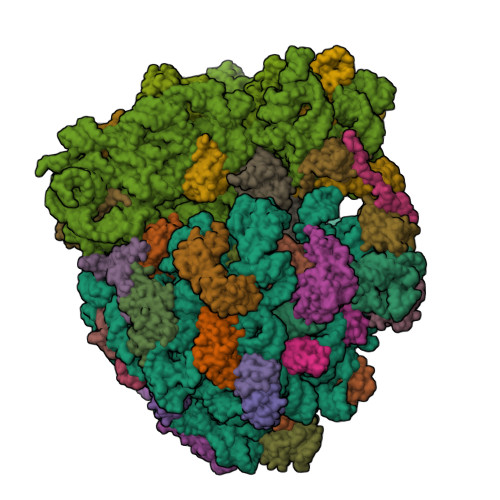
The ribosome's peptidyl transferase center (PTC) catalyzes peptide bond formation during protein synthesis and is targeted by many antibiotic classes. Remarkably, macrolides that bind in the peptide exit tunnel some ~10 Å away from the PTC also remotely inhibit PTC and cause translational arrest depending on the synthesized polypeptide sequence. The Arg/Lys-X-Arg/Lys (also known as +X+) motif is particularly susceptible to this inhibition, as peptidyl-tRNA carrying nascent peptide with penultimate arginine or lysine residue fails to react with aminoacyl-tRNA carrying the same amino acids in the presence of macrolides. While structural studies of macrolide-bound ribosomes have shed light on the context-specific nature of this inhibition, the precise roles of the drug, ribosome, and tRNA in modulating PTC activity remain unclear. In this study, we present a detailed structural analysis of ribosome-nascent chain complexes (RNCs) that represent either arrested or non-arrested states, containing various combinations of peptidyl- and aminoacyl-tRNAs, with or without macrolides. Our findings reveal a dynamic interaction between the ribosome-bound drug, the nascent peptide, and the incoming amino acid, which collectively modulates PTC function. This lays the foundation for designing antibiotics that can overcome drug resistance by preventing the induction of inducible erm genes in pathogens.
PMID: 41184238 | PMC: PMC12583479 | DOI: 10.1038/s41467-025-64692-5
- Design of facilitated dissociation enables timing of cytokine signalling.
Nature. October 31, 2025, 647(8089):528-535.
ABSTRACT:
Protein design has focused on the design of ground states, ensuring that they are sufficiently low energy to be highly populated1. Designing the kinetics and dynamics of a system requires, in addition, the design of excited states that are traversed in transitions from one low-lying state to another2,3. This is a challenging task because such states must be sufficiently strained to be poorly populated, but not so strained that they are not populated at all, and because protein design methods have focused on generating near-ideal structures4-7. Here we describe a general approach for designing systems that use an induced-fit power stroke8 to generate a structurally frustrated9 and strained excited state, allosterically driving protein complex dissociation. X-ray crystallography, double electron-electron resonance spectroscopy and kinetic binding measurements show that incorporating excited states enables the design of effector-induced increases in dissociation rates as high as 5,700-fold. We highlight the power of this approach by designing rapid biosensors, kinetically controlled circuits and cytokine mimics that can be dissociated from their receptors within seconds, enabling dissection of the temporal dynamics of interleukin-2 signalling.
PMID: 40993395 | PMC: PMC12611780 | DOI: 10.1038/s41586-025-09549-z
- Bipartite chromatin recognition by Hop1 from two diverged Holozoa.
Life Sci Alliance. October 31, 2025, 8(11):.
ABSTRACT:
In meiosis, ploidy reduction is driven by a complex series of DNA breakage and recombination events between homologous chromosomes, orchestrated by meiotic HORMA domain proteins (HORMADs). Meiotic HORMADs possess a central chromatin binding region (CBR) whose architecture varies across eukaryotic groups. Here, we determine high-resolution crystal structures of the meiotic HORMAD CBR from two diverged aquatic Holozoa, Schistosoma mansoni and Patiria miniata, which reveal tightly associated plant homeodomain (PHD) and winged helix-turn-helix (wHTH) domains. We show that PHD-wHTH CBRs bind duplex DNA through their wHTH domains, and identify key residues that disrupt this interaction. Combining experimental and predicted structures, we show that the CBRs' PHDs likely interact with the tail of histone H3, and may discriminate between unmethylated and trimethylated H3 lysine 4. Finally, we show that Holozoa Hop1 CBRs bind nucleosomes in vitro in a bipartite manner involving both the PHD and wHTH domain. Our data reveal how meiotic HORMADs with PHD-wHTH CBRs can bind chromatin and potentially discriminate between chromatin states to drive meiotic recombination to specific chromosomal regions.
PMID: 40829932 | PMC: PMC12365614 | DOI: 10.26508/lsa.202503428
- Allosteric inhibition of JAK2 with lysine-reactive compounds that bind the pseudokinase domain.
Eur J Med Chem. October 20, 2025, 302(Pt 1):118274.
ABSTRACT:
The V617F mutation in the pseudokinase (JH2) domain of JAK2 is a frequent cause of myeloproliferative neoplasms (MPNs) and JAK2 inhibitors are an important therapeutic option for patients with these conditions. Currently approved JAK2 inhibitors target the kinase domain of JAK2, and while they exhibit varying degrees of selectivity among the four members of the JAK kinase family and across the kinome, all are equipotent against wild-type and V617F-mutant JAK2. Inhibition of WT JAK2 and other family members limits tolerability and therefore efficacy of current agents, making development of a mutant-selective JAK2 inhibitor a long-sought goal. Because the pseudokinase domain regulates the activity of the kinase domain and is the site of the V617F mutation, it represents a potential target for development of mutant-selective JAK2 inhibitors. Here we describe compounds that covalently bind the ATP-site of the JAK2 pseudokinase domain by targeting either Cys675 or Lys677, residues that are unique to the pseudokinase domain. In purified enzyme assays, we find that selected compounds potently inhibit pseudokinase-containing constructs with relative sparing of the isolated kinase domain, indicative of an allosteric mechanism of inhibition. Compound 20 (JH-XVII-135-2) incorporates a lysine-reactive fluorosulfate warhead and inhibits full-length JAK2 with an IC50 of 160 nM. A co-crystal structure of 20 with the JAK2 pseudokinase reveals its binding mode and confirms covalent modification of Lys677, which was also observed using LC-MS/MS. Though not mutant-selective in our biochemical assays, 20 demonstrates proof-of-concept for allosteric inhibition of JAK2 via the pseudokinase domain and for covalent targeting of JAK2 on Lys677.
PMID: 41166767 | DOI: 10.1016/j.ejmech.2025.118274
- Structural basis for 3C and 3CD recruitment by enteroviral genomes during negative-strand RNA synthesis.
Nat Commun. October 20, 2025, 16(1):9293.
ABSTRACT:
Enteroviral replication-linked cloverleaf RNAs recruit the viral 3CD protein, a fusion of 3C protease and 3D RNA-dependent RNA-polymerase, for negative-strand synthesis during genome replication. However, the structures and mechanisms of this virological process remain unclear. Using the coxsackievirus B3 model, we determine the crystal structures of both intact cloverleaf-3C and isolated sD-3C complexes at 2.69 Å and 2.41 Å resolutions, respectively. Our structures reveal that the sD stem-loop is the sole determinant for binding two 3C monomers, with each monomer recognizing the lateral surface of the sD stem either upstream (toward the apical tetraloop) or downstream (near the dinucleotide bulge) of the Py•Py helix. Binding studies with structure-guided cloverleaf and 3C mutants further clarify the roles of specific nucleotides and residues involved in the interactions between cloverleaf and 3C, explaining earlier virological observations. Through comparative structural and binding studies of 3C, 3D, and 3CD with cloverleafs from seven different enteroviral species, we demonstrate that while the 3D domain does not contribute to cloverleaf binding, the sD sequence and its structural pattern govern 3CD-cloverleaf interactions through the 3C domain. Our work establishes a high-resolution structural framework for understanding enteroviral replication mechanisms, which will aid in developing antivirals targeting this platform.
PMID: 41120315 | PMC: PMC12540871 | DOI: 10.1038/s41467-025-64376-0
- Molecular basis for noncanonical transcription initiation from Np4A alarmones.
Nat Chem Biol. October 14, 2025:.
ABSTRACT:
Stress-induced dinucleoside tetraphosphates (Np4Ns, where N is adenosine, guanosine, cytosine or uridine) are ubiquitous in living organisms, yet their function has been largely elusive for over 50 years. Recent studies have revealed that RNA polymerase can influence the cellular lifetime of transcripts by incorporating these alarmones into RNA as 5'-terminal caps. Here we present structural and biochemical data that reveal the molecular basis of noncanonical transcription initiation from Np4As by Escherichia coli and Thermus thermophilus RNA polymerases. Our results show the influence of the first two nucleotide incorporation steps on capping efficiency and the different interactions of Np4As with transcription initiation complexes. These data provide critical insights into the substrate selectivity that dictates levels of Np4 capping in bacterial cells.
PMID: 41094128 | DOI: 10.1038/s41589-025-02044-6
- Sortase-mediated ligation of cytochrome c peroxidase and cytochrome c highlights the roles of dynamics and conformational specificity for interprotein electron transfer.
J Inorg Biochem. October 09, 2025:113108.
ABSTRACT:
The complex between cytochrome c peroxidase (CcP) and cytochrome c (Cc) is an important model system for studying interprotein electron transfer (ET). Low ionic strength conditions stabilize the CcP:Cc complex, but promote unfavorable second-site binding of Cc. Conversely, high ionic strengths favor the 1:1 complex but promote its dissociation. We sought to stabilize the complex and minimize second-site binding by linking the two proteins together via sortase-mediated transpeptidation. Ligation efficiency of the two proteins depends on the length of the flexible linker and the conditions of the ligation reaction. Structural comparisons and AI-based predictions indicate that the conformations assumed by the fusion proteins depend substantially on the linker length. A short linker allows the association mode found in the 1:1 non-covalent complex but favors more extended states. Longer linkers are more conducive to productive complex formation but still sample other conformational states that disfavor interprotein ET. The degree of predicted conformational variation in the fusion proteins agrees well with their ET reactivity and structural analyses by crystallography and small-angle x-ray scattering. Our findings underscore that specific interaction modes between redox partners influence their electronic communication and reveal that interdomain linkers have the potential to control intermolecular reactions and alter the sampling of productive interfaces.
PMID: 41109049 | DOI: 10.1016/j.jinorgbio.2025.113108
- Large Library Docking and Biophysical Analysis of Small-Molecule TMPRSS2 Inhibitors.
J Med Chem. October 08, 2025, 68(19):19893-19907.
ABSTRACT:
Transmembrane protease serine-2 (TMPRSS2) is an essential host entry factor in human airways for SARS-CoV-2 and influenza A/B and has presented as a target for antiviral drug development; however, no clinically viable oral small-molecule TMPRSS2 inhibitors have been developed to date. Here, we perform two large-scale docking campaigns to identify covalent and noncovalent TMPRSS2 small-molecule inhibitors using a homology model and crystal structure. We establish a pipeline to rapidly screen TMPRSS2 inhibitors and then interrogate the potency, selectivity, and biophysical properties of covalent and noncovalent inhibition using enzyme kinetics on synthetic peptide and protein substrates and differential scanning fluorimetry. Furthermore, we established a readily crystallizable form of TMPRSS2 protein that produced high-resolution crystal structures with nafamostat, '157, and 6-amidino-2-naphthol. A novel noncovalent inhibitor scaffold is biochemically validated as a potential avenue for developing TMPRSS2-selective inhibitors.
PMID: 40973081 | PMC: PMC12517325 | DOI: 10.1021/acs.jmedchem.4c03089
- Identification and Exploration of a Series of SARS-Cov‑2 MPro Cyano-Based Inhibitors Revealing Ortho-Substitution Effects within the P3 Biphenyl Group.
ACS Med Chem Lett. October 08, 2025, 16(10):1935-1945.
ABSTRACT:
Starting from a simple scaffold hopping exercise based on our previous exploration of cysteine protease inhibitors against legumain, compound 6a was identified as a starting point for the development of a SARS-CoV-2 main protease (MPro) inhibitor. Compound 6a displayed submicromolar biochemical potency in the ultrasensitive assay developed by Drag and co-workers. Through an iterative structure-activity relationship campaign, we discovered an unexpected improvement in both biochemical and cellular potency through the incorporation of an ortho substituent within the P3 benzamide. X-ray crystallography revealed that incorporation of the ortho substituent caused a subtle but important binding enhancement of the P1 glutamate group within the MPro S1 pocket. While incorporation of the ortho substituent improved the potency, the off-target selectivity against a panel of cysteine proteases and cell activity remained suboptimal. Further scanning of the P2 core revealed that incorporation of the 3.1.0 proline could address these issues and afford compound 22e, a highly potent and cellularly active MPro inhibitor.
PMID: 41089474 | PMC: PMC12516390 | DOI: 10.1021/acsmedchemlett.5c00301
- First-generation N-terminal domain supersite public antibodies retain activity against Omicron-derived lineages and protect mice against Omicron BA.5 challenge.
mBio. October 07, 2025, 16(10):e0103625.
ABSTRACT:
As SARS-CoV-2 circulating variants evolve, it is important to understand the vulnerabilities of these viruses to neutralizing antibodies. Within this manuscript, we describe first-generation antibodies isolated following infection with WA-1 that retain viral neutralization to subsequent Omicron variants by targeting a site of viral vulnerability called the NTD. This work highlights the shifting landscape of SARS-CoV-2 variants and provides mechanistic insights into how antibodies from prior infections may play a role in preventing subsequent SARS-CoV-2 variant infections.
PMID: 40882161 | PMC: PMC12505963 | DOI: 10.1128/mbio.01036-25
- Structural basis for sequence context-independent single-stranded DNA cytosine deamination by the bacterial toxin SsdA.
Nat Commun. October 02, 2025, 16(1):8841.
ABSTRACT:
DNA deaminase toxins are involved in interbacterial antagonism and the generation of genetic diversity in surviving bacterial populations. These enzymes have also been adopted as genome engineering tools. The single-stranded (ss)DNA deaminase SsdA is representative of the bacterial deaminase toxin family-2 (BaDTF2), and it deaminates ssDNA cytosines without a strong sequence context dependence, which contrasts with the AID/APOBEC family of sequence-selective ssDNA cytosine deaminases. Here we report the crystal structure of SsdA in complex with a ssDNA substrate. The structure reveals a unique mode of substrate binding, in which a cluster of aromatic residues engages ssDNA in a V-shaped conformation sharply bent across the target cytosine. The bases 5' or 3' to the target cytosine are stacked linearly and make mostly sequence non-specific protein contacts, thus explaining the broad substrate selectivity of SsdA. Unexpectedly, SsdA contains a β-amino acid isoaspartate, which is important for enzymatic activity and contributes to the stability of SsdA as a toxin. Structure-function studies helped to design SsdA mutants active in human cells, which could lead to future applications in genome engineering.
PMID: 41044082 | PMC: PMC12494967 | DOI: 10.1038/s41467-025-63943-9
- The effects of naturally occurring mutations on functionality of oxylipin metabolizing dehydrogenase reductase nine.
J Biol Chem. September 30, 2025, 301(10):110704.
ABSTRACT:
Recent evidence suggests that dehydrogenase reductase 9 (DHRS9) can oxidize and alter the biological activity of a diverse group of oxylipin substrates, underscoring the importance of DHRS9 in regulating various biological processes, including inflammation, cell proliferation, and tissue repair. Importantly, mutations in the DHRS9 gene resulting in amino acid substitutions S202L and D286H have been linked to an early-onset case of epilepsy; whether these mutations affect the function of DHRS9 has not been investigated. The results of this study demonstrate that both mutations cause a significant loss of DHRS9 functionality. However, in the case of the S202L variant, the loss of catalytic activity likely stems from the impaired protein folding and/or protein stability. On the other hand, the D286H DHRS9 mutant protein is relatively more stable than the S202L variant, but its Km value for NAD+ (2.85 mM) is nearly 12-fold higher than that of the wild-type enzyme. The three-dimensional structure of DHRS9, solved in this study, provides insights into the functions of the S202 and D286 residues. In addition, it reveals a strikingly large substrate binding cavity, consistent with the fact that the enzyme can process oxygenated hydrocarbons with abundant rotational freedom and differing lengths (18-22 C). Considering that expression levels of DHRS9 in human tissues are highly sensitive to inflammatory conditions and the existence of naturally occurring mutations in DHRS9, the structural and functional characterization of DHRS9 reported in this study is critical for a better understanding of the role of DHRS9 in inflammatory processes.
PMID: 40945732 | PMC: PMC12538056 | DOI: 10.1016/j.jbc.2025.110704
- An asymmetric tetrabody is a potent and efficacious agonist of the erythropoietin receptor in vitro and in vivo.
Protein Sci. September 30, 2025, 34(10):e70292.
ABSTRACT:
Erythropoietin (EPO) initiates EPO receptor (EPOR) signaling in hematopoietic cells by binding to an asymmetric EPOR dimer through two different sites. We engineered dimeric diabody-Fc (Db-Fc) fusion proteins that appeared to act as potent agonists of human EPOR in cell proliferation assays. However, detailed analysis of their oligomeric forms revealed that the predominant Db-Fc species bound EPOR with high affinity but failed to induce cell proliferation. Instead, a minor oligomeric form, identified as a putative tetrabody (Tb) fused to two Fc domains (Tb-Fc2), proved to be the minimal active form. The existence of a tetrameric agonist was further supported by crystallography, which revealed an asymmetric Tb structure. Additionally, the structure of an antigen-binding fragment (Fab) bound to EPOR revealed an epitope distinct from the EPO binding sites, and structural modeling showed that engagement of two of the four binding sites on the Tb could form an asymmetric EPOR dimer nearly identical to the active conformation recruited by EPO. In a knock-in mouse model, where mouse EPOR was replaced by human EPOR, purified Tb-Fc2 stimulated erythropoiesis with greater potency, efficacy, and duration than darbepoetin, a recombinant EPO that is the leading therapeutic erythropoiesis-stimulating agent (ESA). Collectively, these findings demonstrate that asymmetric tetravalent antibodies such as Tb-Fc2 represent promising next-generation ESAs that provide enhanced potency, efficacy, and durability. Moreover, they may reduce the oncogenic and cardiovascular risks associated with the pleiotropy of EPO.
PMID: 40960423 | PMC: PMC12442453 | DOI: 10.1002/pro.70292
- The C-terminal extension of calprotectin mediates zinc chelation and modulates Staphylococcus aureus biomass accumulation.
Protein Sci. September 30, 2025, 34(10):e70294.
ABSTRACT:
Calprotectin (CP) is an S100A8/S100A9 heterodimer that plays an important role in nutritional immunity at the host-microbe interface. CP combats Staphylococcus aureus growth by sequestration of zinc and other trace transition metals; however, questions remain about whether CP antimicrobial activity strictly relies on metal sequestration. Moreover, the precise mechanism for how zinc binds at the two distinct transition metal binding sites of CP is not known. High-resolution X-ray crystal structures reveal tetracoordinate binding in the canonical His3Asp site and hexacoordinate binding in the His6 site similar to the binding of manganese and nickel in this site. The S100A9 C-terminal extension (tail) contributes two of the His residues in the His6 metal-binding site, but measurements of zinc affinity show there is no significant reduction upon mutation of these His residues or deletion of the entire C-terminal tail. Bacterial growth and static biofilm assays show that the His mutations affect S. aureus biomass accumulation differently than loss of the S100A9 C-terminal tail, despite resulting in the same defect in bacterial-CP binding. These results reveal that the S100A9 tail of CP has a role in preventing S. aureus biomass accumulation.
PMID: 40944454 | PMC: PMC12432413 | DOI: 10.1002/pro.70294
- Design of Orthogonal Far-Red, Orange and Green Fluorophore-binding Proteins for Multiplex Imaging.
bioRxiv. September 29, 2025:.
ABSTRACT:
Fluorescent proteins and small molecule dyes have complementary strengths for biological imaging: the former are genetically manipulatable enabling tagging of specific proteins and detection of protein interactions, while the latter have greater photostability and brightness but are difficult to target. To combine these strengths, we used de novo protein design to generate binders to three bright, stable, cell-permeable dyes spanning the visible spectrum: JF657 (far red), JF596 (orange-red) and JF494 (green). For each dye, we obtain nanomolar binders with weak or no binding to the other two dyes; the accuracy of the design approach is confirmed by a crystal structure of one binder which is very close to the design model. Fusion of the JF567, JF596 and JF494 binders to three different targets followed by staining with the three dyes simultaneously enables multiplex imaging. We further expand functionality by incorporating an active site carrying out nucleophilic aromatic substitution to form a covalent linkage with the dye, and developing split versions which reconstitute fluorescence at subcellular locations where both halves are present, enabling both protein-protein interaction detection and chemically induced dimerization with fluorescence reporting. Our designs combine the advantages of fluorescent proteins and small molecule dyes and should be broadly useful for cellular imaging.
PMID: 40950233 | PMC: PMC12424662 | DOI: 10.1101/2025.08.03.668343
- Structural insights into chemoresistance mutants of BCL-2 and their targeting by stapled BAD BH3 helices.
Nat Commun. September 28, 2025, 16(1):8623.
ABSTRACT:
BCL-2 is a central regulator of apoptosis and inhibits cell death by sequestering pro-apoptotic BH3 alpha-helices within a hydrophobic surface groove. While venetoclax, a BH3-mimetic drug, has transformed the treatment of BCL-2-driven malignancies, its efficacy is increasingly limited by acquired resistance mutations that disrupt small-molecule binding yet preserve anti-apoptotic function-reflecting a remarkable structural adaptation. Here, we employ hydrocarbon-stapled alpha-helices derived from the BAD BH3 motif as conformation-sensitive molecular probes to investigate this therapeutic challenge. The stapled peptides not only retain high-affinity binding to all BCL-2 variants but also show enhanced potency to select venetoclax-resistant mutants. Structural analyses, including X-ray crystallography and hydrogen-deuterium exchange mass spectrometry (HDX MS), demonstrate that these stapled helices restore native BH3 engagement by reversing the conformational consequences of resistance mutations. Notably, we identify a serendipitous interaction between the α3-α4 region of BCL-2 and hydrocarbon staple, which further compensates for altered groove conformation and contributes to mutant binding affinity. Together, these findings offer mechanistic insights into BCL-2 drug resistance and reveal a blueprint for designing next-generation inhibitors that overcome this clinically significant barrier to durable treatment responses.
PMID: 41022713 | PMC: PMC12480952 | DOI: 10.1038/s41467-025-63657-y
- A domain-swapped CaMKII conformation facilitates linker-mediated allosteric regulation.
Nat Commun. September 25, 2025, 16(1):8461.
ABSTRACT:
Memory formation, fertilization, and cardiac function rely on precise Ca2+ signaling and subsequent Ca2+/calmodulin-dependent protein kinase II (CaMKII) activation. Ca2+ sensitivity of the four CaMKII paralogs in mammals is linked to the length of the variable linker region that undergoes extensive alternative splicing. In this study, we determine that the position of charged residues within the linker modulates the Ca2+/CaM sensitivity. We present an X-ray crystal structure of the full-length CaMKIIδ holoenzyme consisting of domain-swapped dimers within a dodecameric complex, revealing potential contacts for cooperativity and allostery. Based on molecular dynamics (MD) simulations, small-angle X-ray scattering (SAXS) measurements, and live-cell imaging, we propose a model where the domain-swapped conformation positions the charges of the linker region to drive an interaction with the regulatory segment that modulates the degree of autoinhibition. Our findings provide a framework for understanding allosteric regulation of CaMKII by the linker region in Ca2+-sensitive cells.
PMID: 41006217 | PMC: PMC12474881 | DOI: 10.1038/s41467-025-63249-w
- Pharmacologic interrogation of USP28 cellular function in p53 signaling.
Cell Chem Biol. September 17, 2025, 32(9):1166-1182.e27.
ABSTRACT:
Deubiquitinating enzymes (DUBs) are crucial regulators of ubiquitin signaling and protein degradation that remain incompletely understood in part due to the lack of high-quality chemical probes. To address this challenge, we developed CAS-010, a low nanomolar, ubiquitin-competitive inhibitor of USP28 that demonstrates preferential activity against USP28 over other DUBs, while also exhibiting some activity against the closely related USP25. We rationalized our SAR trends and observed selectivity using a crystal structure of USP28 in complex with an inhibitor. We validated on-target effects of CAS-010 on the negative regulation of p53 transactivation in the wild-type setting. We demonstrated that CAS-010 disrupts the 53BP1-USP28 interaction, and more broadly showed that USP28 catalytic activity contributes to this key interaction. Taken together, CAS-010 and the accompanying negative control compound WPT-086 and inhibitor-resistant mutant provide well-validated tools for further characterizing the role of USP28 in p53-mediated effect on cell cycle control and cell fate.
PMID: 40902594 | DOI: 10.1016/j.chembiol.2025.08.002
- Structural basis for LZTR1 recognition of RAS GTPases for degradation.
Science. September 10, 2025, 389(6765):1112-1117.
ABSTRACT:
The RAS family of small guanosine triphosphatases (GTPases) are tightly regulated signaling molecules that are further modulated by ubiquitination and proteolysis. Leucine Zipper-like Transcription Regulator 1 (LZTR1), a substrate adapter of the Cullin-3 RING E3 ubiquitin ligase, binds specific RAS GTPases and promotes their ubiquitination and proteasomal degradation. We present structures of LZTR1 Kelch domains bound to RIT1, MRAS, and KRAS, revealing interfaces that govern RAS isoform selectivity and nucleotide specificity. Biochemical and structural analyses of disease-associated Kelch domain mutations revealed three types of alterations: impaired substrate interaction, loop destabilization, and blade-blade repulsion. In cellular and mouse models, mutations disrupting substrate binding phenocopied LZTR1 loss, underscoring its substrate specificity. These findings define RAS recognition mechanisms by LZTR1 and suggest a molecular glue strategy to degrade oncogenic KRAS.
PMID: 40934300 | PMC: PMC12516822 | DOI: 10.1126/science.adv7088
- Improved Pharmacokinetic Profiles of HDAC6 Inhibitors via Cap Group Modifications.
J Med Chem. September 10, 2025, 68(17):18216-18229.
ABSTRACT:
Hydroxamic acid (HA)-based HDAC inhibitors often suffer from poor pharmacokinetic (PK) profiles, limiting their in vivo applications. Cap group modification offers a promising strategy to address these challenges. Here, we optimized the cap group of TO-317, a selective HDAC6 inhibitor with a bisected cap structure, generating 26 analogs with comparable or improved HDAC6 binding affinity and selectivity. Replacing the redundant tetrafluorobenzene sulfonamide cap while retaining the essential picolyl cap group preserved the critical H614 hydrogen bond, as confirmed by X-ray crystallography (1.24-1.27 Å resolution) of five analogs. Analog 14, featuring a 2-chlorobenzene sulfonamide cap, demonstrated a 120-fold enhancement in plasma concentration in mice compared to that of TO-317. Preclinical studies showed that analog 14 achieved 56% tumor growth inhibition in an SM1 melanoma murine model without observed toxicity. These findings highlight cap group optimization as a powerful approach to enhance HA-based HDAC inhibitors for advanced preclinical and clinical development.
PMID: 40864867 | DOI: 10.1021/acs.jmedchem.5c00479
- Structural basis of QueC-family protein function in qatABCD anti-phage defense.
bioRxiv. September 02, 2025:.
ABSTRACT:
QueC proteins are nucleoside biosynthesis enzymes required for production of the 7-deazaguanine derivative queuosine. Recently, QueC-family proteins were also shown to catalyze a deazaguanylation protein-nucleobase conjugation reaction in type IV CBASS bacterial anti-phage defense. Here we determine the structural basis of QueC-family protein function in a distinct bacterial immunity system named qatABCD. We demonstrate that the QueC-family protein QatC forms a specific complex with the immunity protein QatB and that this complex is minimally required for qatABCD defense. Crystal structures of the QatBC complex enable direct comparison of qatABCD and type IV CBASS defense and support a shared role for QueC-family proteins in targeting protein substrates for N-terminal modification. We show that the QatB unstructured N-terminus and N-terminal glycine motif are essential for qatABCD defense in vivo, suggesting a modification occurs analogous to CBASS deazaguanylation. These findings highlight broad roles of QueC proteins beyond nucleoside biosynthesis and suggest that adaptation of QueC-like proteins for specialized biochemical functions is a common strategy in bacterial anti-phage immunity.
PMID: 40950076 | PMC: PMC12424860 | DOI: 10.1101/2025.09.03.674047
- Efficacy and safety of a therapeutic humanized FSH-blocking antibody in obesity and Alzheimer's disease models.
J Clin Invest. September 01, 2025, 135(17):.
ABSTRACT:
There is growing evidence for direct actions of follicle-stimulating hormone (FSH) on tissues other than the ovaries and testes. Blocking FSH action, either genetically or pharmacologically, protects against bone loss, fat gain, and memory loss in mice. We thus developed a humanized FSH-blocking antibody, MS-Hu6, as a lead therapeutic for 3 diseases of public health magnitude - osteoporosis, obesity, and Alzheimer's disease (AD) - that track together in postmenopausal women. Here, we report the crystal structure of MS-Hu6 and its interaction with FSH in atomistic detail. Using our Good Laboratory Practice platform (21 CFR 58), we formulated MS-Hu6 and the murine equivalent, Hf2, at an ultra-high concentration; both formulated antibodies displayed enhanced thermal and colloidal stability. A single injection of 89Zr-labeled MS-Hu6 revealed a β phase t½ of 79 and 132 hours for female and male mice, respectively, with retention in regions of interest. Female mice injected subcutaneously with Hf2 displayed a dose-dependent reduction in body weight and body fat, in the face of reduced free (bioavailable) FSH and unperturbed estrogen levels. Hf2 also rescued recognition memory and spatial learning loss in a context- and time-dependent manner in AD-prone 3xTg and APP/PS1 mice. MS-Hu6 injected into African green monkeys (8 mg/kg) intravenously, and then subcutaneously at monthly intervals, was safe, and without effects on vital signs, blood chemistries, or blood counts. There was a notable approximately 4% weight loss in all 4 monkeys after the first injection, which continued in 2 of the monkeys. We thus provide Investigational New Drug-enabling data for a planned first-in-human study.
PMID: 40663423 | PMC: PMC12404759 | DOI: 10.1172/JCI182702
- Visualization of covalent intermediates and conformational states of proline utilization A by X-ray crystallography and molecular dynamics simulations.
J Biol Chem. August 31, 2025, 301(9):110532.
ABSTRACT:
The bifunctional enzyme proline utilization A (PutA) catalyzes the two-step oxidation of L-proline to L-glutamate using proline dehydrogenase (PRODH) and L-glutamate-γ-semialdehyde dehydrogenase (GSALDH) domains. The two active sites are 42 Å apart and connected by a buried tunnel that is hypothesized to channel the intermediates Δ1-pyrroline-5-carboxylate (P5C) and/or L-glutamate-γ-semialdehyde (GSAL). Kinetic and conventional X-ray crystallography of PutA from Sinorhizobium meliloti (SmPutA) were used to capture high resolution (1.47-1.88 Å) structures of states along the catalytic cycle, including a novel FADH--proline covalent adduct in the PRODH site, the intermediate P5C bound noncovalently in the reduced PRODH active site, the covalent acyl-enzyme intermediate of the GSALDH reaction, and noncovalent complexes of GSAL and the final product L-glutamate in the GSALDH active site. The FADH--proline covalent adduct resembles a stable species predicted from quantum mechanical electronic structure calculations of the PRODH reaction. The GSALDH domain complexes are consistent with conservation of substrate recognition and catalytic mechanism by the aldehyde dehydrogenase superfamily. The structure of reduced SmPutA with the P5C bound in the PRODH active site was used as the starting point for molecular dynamics simulations (21 × 2 μs trajectories). P5C diffuses from the PRODH active site into the tunnel in most of the trajectories, but rarely dissociates completely from the enzyme, consistent with previous kinetic evidence of a substrate channeling mechanism. The simulations also provide insight into protein conformational changes associated with substrate channeling, including the opening and closing of a conserved ion pair gate.
PMID: 40738191 | PMC: PMC12398946 | DOI: 10.1016/j.jbc.2025.110532
- Structural basis and functional roles for Toll-like receptor binding to Latrophilin in C. elegans development.
Nat Struct Mol Biol. August 31, 2025, 32(9):1683-1696.
ABSTRACT:
Latrophilins are conserved adhesion-type G-protein-coupled receptors associated with embryonic defects and lethality. However, their mechanistic roles and ligands in embryogenesis remain unknown. Here, we identified TOL-1, the sole Toll-like receptor in Caenorhabditis elegans, as a ligand for the C. elegans latrophilin, LAT-1. The extracellular lectin domain of LAT-1 directly binds to the second leucine-rich repeat domain of TOL-1. The crystal structure and cryo-electron microscopy density map of the LAT-1-TOL-1 extracellular region complex reveal a one-to-one lectin domain interaction with the convex face of a leucine-rich repeat domain. In C. elegans, endogenous mRNA and protein localization analyses showed mutually exclusive sites of expression, suggesting that in vivo LAT-1-TOL-1 interactions mostly occur in trans. Mutagenesis of key interface residues that disrupt the LAT-1-TOL-1 interaction led to partial lethality and malformed embryos. Thus, TOL-1 binding to LAT-1 represents a receptor-ligand axis essential for animal development.
PMID: 40588662 | DOI: 10.1038/s41594-025-01592-8
- Crystal structure of the folded domains of Xrs2 from Saccharomyces cerevisiae.
Acta Crystallogr F Struct Biol Commun. August 31, 2025, 81(Pt 9):365-373.
ABSTRACT:
The MRE11-RAD50-NBS1/Xrs2 (MRN/X) protein complex acts as a first responder in DNA double-strand break repair and telomere-length maintenance, yet the structural architecture of the yeast ortholog Xrs2 has remained unresolved. In this study, we present the first structure of the folded N-terminal region of Xrs2 from Saccharomyces cerevisiae, resolved at 2.38 Å using X-ray crystallography. Like the previously determined crystal structures of Schizosaccharomyces pombe Nbs1, the folded structure of S. cerevisiae Xrs2 adopts an extended three-domain organization at its N-terminus. Electrostatic analysis reveals two distinct charged patches: a positively charged patch on the FHA domain and a negatively charged patch in the cleft between the FHA and BRCT1 domains. This charge segregation is likely to play a role in mediating interactions with various ligands.
PMID: 40767353 | PMC: PMC12400192 | DOI: 10.1107/S2053230X25006867
- Crystal structures of 40- and 71-substitution variants of hydroxynitrile lyase from rubber tree.
Acta Crystallogr D Struct Biol. August 31, 2025, 81(Pt 9):511-523.
ABSTRACT:
Hydroxynitrile lyase from Hevea brasiliensis (HbHNL) and the esterase SABP2 from Nicotiana tabacum share the α/β-hydrolase fold, a Ser-His-Asp catalytic triad and 44% sequence identity, yet catalyze different reactions. Prior studies showed that three active-site substitutions in HbHNL conferred weak esterase activity. To investigate how regions beyond the active site influence catalytic efficiency and active-site geometry, we engineered HbHNL variants with increasing numbers of substitutions to match SABP2. Variant HNL16 has all amino acids within 6.5 Å of the active site identical to SABP2, HNL40 those within 10 Å and HNL71 those within 14 Å. HNL16 exhibited poor esterase activity, whereas both HNL40 and HNL71 showed efficient esterase catalysis, demonstrating that residues beyond the immediate active site are critical for functional conversion. X-ray structures of HNL40 and HNL71 reveal a progressive shift in backbone positions toward those of SABP2, with r.m.s.d. values of 0.51 Å (HNL40) and 0.41 Å (HNL71) over the Cα atoms, and even smaller r.m.s.d.s within the active-site region. Both HNL40 and HNL71 show a restored oxyanion hole and an additional tunnel connecting the active site to the protein surface. This work demonstrates the essential role of distant, indirectly acting residues to catalysis in α/β-hydrolase enzymes.
PMID: 40864494 | PMC: PMC12400190 | DOI: 10.1107/S2059798325007065
- Structural Impact of Ex Vivo Resistance Mutations on HIV-1 Integrase Polymers Induced by Allosteric Inhibitors.
J Mol Biol. August 31, 2025, 437(17):169224.
ABSTRACT:
HIV-1 integrase (IN) is targeted by two classes of antivirals: integrase strand transfer inhibitors (INSTIs), which bind to the active site within the catalytic core domain (CCD), and allosteric integrase inhibitors (ALLINIs), which bind at the CCD dimer interface. ALLINIs were initially designed to disrupt interactions with the cellular cofactor LEDGF/p75, but it has become clear that ALLINIs primarily act by promoting formation of aberrant integrase polymers. The ALLINIs achieve this by stabilizing ectopic intermolecular interactions between the CCD dimer and the integrase carboxy-terminal domain (CTD), which disrupts viral maturation. Previously, we determined the structure of full-length HIV-1 IN bound to the ALLINI GSK1264 at 4.4 Å resolution, revealing its polymerization mechanism. More recently, we reported the X-ray crystal structure of a minimal ternary complex between CCD, CTD, and the ALLINI BI-224436 at a higher resolution. In this study, we improve the original 4.4 Å structure using this higher-resolution information and report two new structures of full-length HIV-1 IN harboring escape mutations in the CCD (Trp131Cys) or CTD (Asn222Lys) bound with the prototype ALLINI BI-D at 4.5 Å. These structures reveal perturbations to the tertiary organization associated with escape substitutions, which correlate with their reduced ability to form ectopic ALLINI-induced polymers in vitro. These findings suggest a general structural mechanism of ALLINI resistance and provide insights for the design of improved ALLINIs.
PMID: 40409709 | DOI: 10.1016/j.jmb.2025.169224
- Crystal structure of a seven-substitution mutant of hydroxynitrile lyase from rubber tree.
Acta Crystallogr F Struct Biol Commun. August 31, 2025, 81(Pt 9):398-405.
ABSTRACT:
The α/β-hydrolase fold superfamily includes esterases and hydroxynitrile lyases which, despite catalyzing different reactions, share a Ser-His-Asp catalytic triad. We report a 1.99 Å resolution crystal structure of HNL6V, an engineered variant of hydroxynitrile lyase from Hevea brasiliensis (HbHNL) containing seven amino-acid substitutions (T11G, E79H, C81L, H103V, N104A, G176S and K236M). The structure reveals that HNL6V maintains the characteristic α/β-hydrolase fold while exhibiting systematic shifts in backbone and catalytic atom positions. Compared with wild-type HbHNL, the Cα positions in HNL6V differ by a mean of 0.2 ± 0.1 Å, representing a statistically significant displacement. Importantly, the catalytic triad and oxyanion-hole atoms have moved 0.2-0.8 Å closer to their corresponding positions in SABP2, although they remain 0.3-1.1 Å from fully achieving the configuration of SABP2. The substitutions also increase local flexibility, particularly in the lid domain covering the active site. This structural characterization demonstrates that targeted amino-acid substitutions can systematically shift catalytic geometries towards those of evolutionarily related enzymes.
PMID: 40864147 | PMC: PMC12400193 | DOI: 10.1107/S2053230X25007034
- A nut-and-bolt assembly of the bimodular large progenitor botulinum neurotoxin complex.
Sci Adv. August 28, 2025, 11(35):eadx5831.
ABSTRACT:
Botulinum neurotoxin serotype A (BoNT/A) is naturally produced by bacteria along with four nontoxic neurotoxin-associated proteins (NTNH, HA70, HA33, and HA17), forming a bimodular large progenitor toxin complex (L-PTC). The BoNT/A-NTNH complex protects the toxin from adverse environment, while the complex consisting of HA proteins facilitates toxin absorption during oral intoxication. How these two independent modules assemble into the L-PTC remains unclear. Here, we report the crystal structure of the BoNT/A-NTNH-HA70 complex at ~2.9-Å resolution. The structure reveals that the BoNT/A-NTNH complex is anchored into a concentric double β-barrel channel of trimeric HA70 through a short β-hairpin of NTNH (termed nLoop), resembling a nut-and-bolt attachment. We find that the nLoop of NTNH is strictly conserved across HA-containing BoNT complexes and that NTNH-HA70 binding is interchangeable among them. Furthermore, we demonstrate that the nLoop functions as a minimal motif enabling attachment of a protein-of-interest to the HA complex, with potential applications in oral biologics delivery.
PMID: 40864694 | PMC: PMC12383247 | DOI: 10.1126/sciadv.adx5831
- Enzyme-mediated aminoglycoside resistance without target mimicry.
Commun Chem. August 24, 2025, 8(1):258.
ABSTRACT:
The primary mode of resistance to aminoglycoside antibiotics is through chemical modification catalyzed by aminoglycoside-modifying enzymes. Numerous structural studies of these enzymes have invariably shown that they bind aminoglycosides in the same lowest-energy conformation as the intended target for these antibiotics, the A site of the bacterial ribosome. Presumably, the binding mode mimicry enables these enzymes to compete successfully with the target, thus conferring effective resistance. Here we present the first structural and functional studies of two aminoglycoside-modifying enzymes that do not use target mimicry, AAC(3)-Ia and AAC(3)-XIa. X-ray diffraction studies reveal that these enzymes bind aminoglycoside antibiotics in a conformation where the central 2-deoxystreptamine ring is in boat conformation. The effect of this non-canonical binding mode on the enzymes' ability to modify antibiotics is assessed in silico and in vitro, and its impact for conferring resistance is assessed in vivo. Overall, the results show that target mimicry, while advantageous, is not an essential strategy for aminoglycoside-modifying enzymes to be effective in conferring resistance.
PMID: 40855189 | PMC: PMC12378234 | DOI: 10.1038/s42004-025-01666-0
- Functional diversity of phage sponge proteins that sequester host immune signals.
bioRxiv. August 23, 2025:.
ABSTRACT:
Multiple bacterial immune systems, including CBASS, Thoeris, and Pycsar, employ signaling molecules that activate the immune response following phage infection. Phages counteract bacterial immune signaling using sponge proteins that bind and sequester the immune signals, but the breadth of immune signals targeted by phage sponges is unclear. Here we study the functional versatility of Acb2, Tad1 and Tad2, three families of sponge proteins known to inhibit CBASS and Thoeris signaling. Eighty-four proteins representing the phylogenetic diversity of these sponge families were tested for their ability to inhibit immunity by sequestering 3'3'-cGAMP and 3'3'-cUA (CBASS), cCMP and cUMP (Pycsar), and 3'cADPR, His-ADPR and N7-cADPR (types I, II and IV Thoeris, respectively). While Acb2 proteins were so far reported to inhibit only CBASS systems, we found Acb2 homologs that bind 3'cADPR and inhibit Thoeris defense. In addition, we discovered sponge proteins that inhibit Pycsar and type IV Thoeris by binding cUMP and N7-cADPR, respectively. Using crystal structures, structural modeling and biochemical analyses, we explain the molecular basis for signal-binding specificities in members of these sponge families. Our study reports the first sponges inhibiting Pycsar and type IV Thoeris, and demonstrates how phage sponges evolve to obtain diverse specificities.
PMID: 40894804 | PMC: PMC12393519 | DOI: 10.1101/2025.08.24.671296
- A widespread family of viral sponge proteins reveals specific inhibition of nucleotide signals in anti-phage defense.
Mol Cell. August 20, 2025, 85(16):3151-3165.e6.
ABSTRACT:
Cyclic oligonucleotide-based anti-phage signaling systems (CBASSs) are bacterial anti-phage defense operons that use nucleotide signals to control immune activation. Here, we biochemically screen 57 diverse E. coli and Bacillus phages for the ability to disrupt CBASS immunity and discover anti-CBASS 4 (Acb4) from the Bacillus phage SPO1 as the founding member of a large family of >1,300 immune evasion proteins. A 2.1 Å crystal structure of Acb4 in complex with 3'3'-cyclic guanosine monophosphate (GMP)-AMP (3'3'-cGAMP) reveals a tetrameric assembly that functions as a sponge to sequester CBASS signals and inhibit immune activation. We demonstrate that Acb4 alone is sufficient to disrupt CBASS activation in vitro and enable immune evasion in vivo. Analyzing phages that infect diverse bacteria, we explain how Acb4 selectively targets nucleotide signals in host defense and avoids disruption of cellular homeostasis. Together, our results reveal principles of immune evasion protein evolution and explain a major mechanism phages use to inhibit host immunity.
PMID: 40845805 | PMC: PMC12380128 | DOI: 10.1016/j.molcel.2025.07.016
- Expanding the druggable zinc-finger proteome defines properties of drug-induced degradation.
Mol Cell. August 20, 2025, 85(16):3184-3201.e14.
ABSTRACT:
Glutarimide analogs, such as thalidomide, redirect the E3 ubiquitin ligase CRL4CRBN to induce degradation of certain zinc finger (ZF) proteins. Although the core structural motif recognized by CRBN has been characterized, it does not fully explain substrate specificity. To explore the role of residues adjacent to this core motif, we constructed a comprehensive ZF reporter library of 9,097 reporters derived from 1,655 human ZF proteins and conducted a library-on-library screen with 29 glutarimide analogs to identify compounds that collectively degrade 38 ZF reporters. Cryo-electron microscopy and crystal structures of ZFs in complex with CRBN revealed the importance of interactions beyond the core ZF degron. We used systematic mutagenesis of ZFs and CRBN to identify modes of neosubstrate recruitment requiring distinct amino acids. Finally, we found subtle chemical variations in glutarimide analogs that alter target scope and selectivity, thus providing a roadmap for their rational design.
PMID: 40845806 | PMC: PMC12458990 | DOI: 10.1016/j.molcel.2025.07.019
- ApaH decaps Np4N-capped RNAs in two alternative orientations.
Nat Chem Biol. August 10, 2025:.
ABSTRACT:
Enigmatic dinucleoside tetraphosphates, known as 'alarmones' (Np4Ns), have recently been shown to function in bacteria as precursors to Np4 caps on transcripts, likely influencing RNA longevity and cellular adaptation to stress. In proteobacteria, ApaH is the predominant enzyme that hydrolyzes Np4Ns and decaps Np4-capped RNAs to initiate their 5'-end-dependent degradation. Here we conducted a biochemical and structural study to uncover the catalytic mechanism of Escherichia coli ApaH, a prototypic symmetric Np4N hydrolase, on various Np4Ns and Np4-capped RNAs. We found that the enzyme uses a unique combination of nonspecific and semispecific substrate recognition, enabling substrates to bind in two orientations with a slight orientational preference. Despite such exceptional recognition properties, ApaH efficiently decaps various Np4-capped mRNAs and sRNAs, thereby impacting their lifetimes. Our findings highlight the need to determine substrate orientation preferences before designing substrate-mimicking drugs, as enzymes may escape activity modulation with one of the alternative substrate orientations.
PMID: 40789943 | DOI: 10.1038/s41589-025-01991-4
- Machine Learning-Augmented Molecular Dynamics Simulations (MD) Reveal Insights Into the Disconnect Between Affinity and Activation of ZTP Riboswitch Ligands.
Angew Chem Int Ed Engl. July 27, 2025, 64(31):e202505971.
ABSTRACT:
The challenge of targeting RNA with small molecules necessitates a better understanding of RNA-ligand interaction mechanisms. However, the dynamic nature of nucleic acids, their ligand-induced stabilization, and how conformational changes influence gene expression pose significant difficulties for experimental investigation. This work employs a combination of computational and experimental methods to address these challenges. By integrating structure-informed design, crystallography, and machine learning-augmented all-atom molecular dynamics simulations (MD), we synthesized, biophysically and biochemically characterized, and studied the dissociation of a library of small molecule activators of the 5-aminoimidazole-4-carboxamide ribonucleotide triphosphate (ZTP) riboswitch, a ligand-binding RNA motif that regulates bacterial gene expression. We uncovered key interaction mechanisms, revealing valuable insights into the role of ligand binding kinetics on riboswitch activation. Further, we established that ligand on-rates determine activation potency as opposed to binding affinity and elucidated RNA structural differences, which provide mechanistic insights into the interplay of RNA structure on riboswitch activation.
PMID: 40310613 | PMC: PMC12304844 | DOI: 10.1002/anie.202505971
- Conformational Change in a Four-Tetrad DNA G-Quadruplex upon Intercalation of a Small-Molecule Ligand PyDH2.
Angew Chem Int Ed Engl. July 27, 2025, 64(31):e202501443.
ABSTRACT:
G-quadruplexes (G4s) are non-canonical DNA structures implicated in a number of biological processes. Small-molecule ligands can alter stability and folding of G4s, which can potentially be exploited for therapeutic purposes. In this work, we investigate the interaction of telomeric DNA fragment from Tetrahymena thermophila (TET25, 5'-G(TTGGGG)4-3') with a G4 ligand PyDH2 belonging to the bisquinolinium family. When alone, TET25 adopts a mixture of three conformations, with the most abundant being a four-tetrad hybrid G4. In the presence of PyDH2, surprisingly, TET25 folds into an antiparallel chair G4, with PyDH2 intercalated between G-tetrads 2 and 3, according to our crystal structure. The structure represents the second example, and the first crystallographic evidence, of ligand intercalation into a G4. In solution, the interaction of PyDH2 and TET25 leads to a number of complexes differing by G4 topology and binding stoichiometry, strong stabilization of G4 (∆Tm = 12.4 °C in the presence of one equiv. of PyDH2) and large hysteresis of ∼10 °C, suggesting that ligand binding and G4 folding processes are complex.
PMID: 40403170 | PMC: PMC12240457 | DOI: 10.1002/anie.202501443
- Molecular glues that facilitate RAS binding to PI3Kα promote glucose uptake without insulin.
Science. July 23, 2025, 389(6758):402-408.
ABSTRACT:
While exploring strategies to control blood glucose concentrations in diabetes, we identified so-called molecular glues D223 and D927 that promote glucose uptake in the absence of insulin. They act by increasing the binding affinity of phosphoinositide 3-kinase α (PI3Kα) catalytic subunit p110α to canonical small guanosine triphosphatase RAS proteins and to RRAS, RRAS2, and MRAS by three orders of magnitude. The compounds bind to the RAS-binding domain of p110α, stabilizing the secondary structures of the PI3Kα in a RAS-binding conformation and forming direct interactions with RAS residues tyrosine-40 and arginine-41. In vivo, D927 mimicked the effects of insulin: It rapidly lowered blood glucose concentrations, enhanced glucose metabolism in normal and Zucker fatty rats, and improved hyperglycemia in models of type 1 and type 2 diabetes, even in insulin-deficient diabetic animals.
PMID: 40705882 | DOI: 10.1126/science.adr9097
- BBO-10203 inhibits tumor growth without inducing hyperglycemia by blocking RAS-PI3Kα interaction.
Science. July 23, 2025, 389(6758):409-415.
ABSTRACT:
BBO-10203 is an orally available drug that covalently and specifically binds to the rat sarcoma (RAS)-binding domain of phosphoinositide 3-kinase α (PI3Kα), preventing its activation by HRAS, NRAS, and KRAS. It inhibited PI3Kα activation in tumors with oncogenic mutations in KRAS or PIK3CA and in tumors with human epidermal growth factor receptor 2 (HER2) amplification or overexpression. In preclinical models, BBO-10203 caused significant tumor growth inhibition across multiple tumor types and showed enhanced efficacy in combination with inhibitors of cyclin-dependent kinase 4/6 (CDK4/6), estrogen receptor (ER), HER2, and KRAS-G12C mutant, including in tumors harboring mutations in Kelch-like ECH-associated protein 1 (KEAP1) and serine/threonine kinase 11 (STK11). Notably, these antitumor effects occurred without inducing hyperglycemia, because insulin signaling does not depend on RAS-mediated PI3Kα activation to promote glucose uptake.
PMID: 40504949 | DOI: 10.1126/science.adq2004
- An allosteric network governs Tom70 conformational dynamics to coordinate mitochondrial protein import.
bioRxiv. July 22, 2025:.
ABSTRACT:
Tom70 mediates mitochondrial protein import by coordinating the transfer of cytosolic preproteins from Hsp70/Hsp90 to the translocase of the outer membrane (TOM) complex. In humans, the cytosolic domain of Tom70 (HsTom70c) is entirely α-helical and comprises modular TPR motifs divided into an N-terminal chaperone-binding domain (NTD) and a C-terminal preprotein-binding domain (CTD). However, the mechanisms linking these functional regions remain poorly understood. Here, we present the 2.04 Å crystal structure of unliganded HsTom70c, revealing two distinct conformations - open and closed - within the asymmetric unit. These states are stabilized in part by interdomain crystal contacts and are supported in solution by hydrogen-deuterium exchange mass spectrometry (HDX-MS) and molecular dynamics (MD) simulations. Principal component and dynamical network analyses reveal a continuum of motion linking the NTD and CTD via key structural elements, notably residues in helices α7, α8, and α25. Engagement of the CTD by the viral protein Orf9b interrupts this network, stabilizing a partially-closed intermediate conformation and dampening dynamics at distal NTD sites. Collectively, our findings lay the groundwork for understanding Tom70 allostery and provide a framework for dissecting its mechanistic roles in chaperone engagement, mitochondrial import, and viral subversion.
PMID: 40777325 | PMC: PMC12330529 | DOI: 10.1101/2025.07.19.665690
- Structural modeling reveals viral proteins that manipulate host immune signaling.
bioRxiv. July 11, 2025:.
ABSTRACT:
Immune pathways that use intracellular nucleotide signaling are common in animals, plants and bacteria. Viruses can inhibit nucleotide immune signaling by producing proteins that sequester or cleave the immune signals. Here we analyzed evolutionarily unrelated signal-sequestering viral proteins, finding that they share structural and biophysical traits in their genetic organization, ternary structures and binding pocket properties. Based on these traits we developed a structure-guided computational pipeline that can sift through large phage genome databases to unbiasedly predict phage proteins that manipulate bacterial immune signaling. Numerous previously uncharacterized proteins, grouped into three families, were verified to inhibit the bacterial Thoeris and CBASS signaling systems. Proteins of the Sequestin and Lockin families bind and sequester the TIR-produced signaling molecules 3'cADPR and His-ADPR, while proteins of the Acb5 family cleave and inactivate 3'3'-cGAMP and related molecules. X-ray crystallography and structural modeling, combined with mutational analyses, explain the structural basis for sequestration or cleavage of the immune signals. Thousands of these signal-manipulating proteins were detected in phage protein databases, with some instances present in well-studied model phages such as T2, T4 and T6. Our study explains how phages commonly evade bacterial immune signaling, and offers a structure-guided analytical approach for discovery of viral immune-manipulating proteins in any database of choice.
PMID: 40672179 | PMC: PMC12265669 | DOI: 10.1101/2025.07.12.664507
- Why Sulfur is Important in Lincosamide Antibiotics.
Chem. July 09, 2025, 11(7):.
ABSTRACT:
We recently reported the conception and synthesis of cresomycin (CRM), a fully synthetic lincosamide antibiotic effective in vitro and in vivo against multidrug-resistant Gram-positive and Gram-negative bacteria. In this work, we describe the chemical synthesis and characterization of CRM sulfur atom replacement analogs C-CRM (S → CH2), O-CRM (S → O), and Se-CRM (S → Se). Comparison of high-resolution co-crystal structures showed that the four analogs adopted identical conformations when bound to the bacterial ribosome, but due to variations of ≤1 Å in the bond lengths between the anomeric carbon and the varied atoms, only the S and Se heteroatoms of CRM and Se-CRM, respectively, were positioned to interact with the π-face of nucleobase G2505. C-CRM and O-CRM did not benefit from such stabilizations, with correspondingly negative consequences in both target engagement and antibacterial activities. We therefore conclude that the sulfur atom of the lincosamides is important in ribosomal binding.
PMID: 40787583 | PMC: PMC12333972 | DOI: 10.1016/j.chempr.2025.102480
- Structural basis for varying drug resistance of SARS-CoV-2 Mpro E166 variants.
mBio. July 08, 2025, 16(7):e0262424.
ABSTRACT:
Severe acute respiratory syndrome coronavirus 2 (SARS-CoV-2) main protease (Mpro) has an essential role in the virus lifecycle and, accordingly, it is a target for antiviral drugs. Multiple studies have identified an Mpro mutation (E166V) that confers strong resistance to clinically relevant inhibitors, including nirmatrelvir, but the underlying mechanism is not fully understood. Here, we report on crystal structures of SARS-CoV-2 Mpro E166V in complex with nirmatrelvir, ensitrelvir, and bofutrelvir. The structures suggest that resistance is caused in part by the loss of a direct hydrogen bond and also, especially for nirmatrelvir, by a steric clash with the substituted valine residue. In comparison, the binding of bofutrelvir shows greater flexibility, which may help alleviate this steric effect and allow bofutrelvir to fit the mutant active site despite the loss of a direct polar contact. Thermal stability analyses also corroborate E166V most severely affecting the binding of nirmatrelvir and, to lesser and different extents, ensitrelvir and bofutrelvir. We further show that E166I causes even more severe nirmatrelvir resistance, whereas E166A and E166L have much milder effects. These studies shed light on the molecular mechanisms of a key Mpro drug resistance mutation and may help inform the design of next-generation inhibitors.IMPORTANCEUsing a combination of high-resolution X-ray crystallographic and biochemical analyses, we reveal the molecular mechanisms by which a mutation in the severe acute respiratory syndrome coronavirus 2 main protease (Mpro) confers strong resistance against clinically relevant antiviral drugs that inhibit Mpro activity. The results presented here may help inform the design of next-generation inhibitors to combat the problem of therapy resistance.
PMID: 40454888 | PMC: PMC12239574 | DOI: 10.1128/mbio.02624-24
- Activating and inhibiting nucleotide signals coordinate bacterial anti-phage defense.
bioRxiv. July 08, 2025:.
ABSTRACT:
The cellular nucleotide pool is a major focal point of the host immune response to viral infection. Immune effector proteins that disrupt the nucleotide pool allow animal and bacterial cells to broadly restrict diverse viruses, but reduced nucleotide availability induces cellular toxicity and can limit host fitness(Ahmad et al., 1998; Goldstone et al., 2011; Hsueh et al., 2022; Itsko & Schaaper, 2014; Tal et al., 2022). Here we discover a bacterial anti-phage defense system named Clover that overcomes this tradeoff by encoding a deoxynucleoside triphosphohydrolase enzyme (CloA) that dynamically responds to both an activating phage cue and an inhibitory nucleotide immune signal produced by a partnering regulatory enzyme (CloB). Analysis of Clover phage restriction in cells and reconstitution of enzymatic function in vitro demonstrate that CloA is a dGTPase that responds to viral enzymes that increase cellular levels of dTTP. To restrain CloA activation in the absence of infection, we show that CloB synthesizes a dTTP-related inhibitory nucleotide signal p3diT (5'-triphosphothymidyl-3'5'-thymidine) that binds to CloA and suppresses activation. Cryo-EM structures of CloA in activated and suppressed states reveal how dTTP and p3diT control distinct allosteric sites and regulate effector function. Our results define how nucleotide signals coordinate both activation and inhibition of antiviral immunity and explain how cells balance defense and immune-mediated toxicity.
PMID: 40672243 | PMC: PMC12265719 | DOI: 10.1101/2025.07.09.663793
- Antitoxin control of optimal transcriptional repression in the atypical HigB-HigA toxin-antitoxin system from Proteus vulgaris.
Nucleic Acids Res. July 07, 2025, 53(13):.
ABSTRACT:
Bacterial toxin-antitoxin (TA) pairs transcriptionally autoregulate their expression via a repression/derepression mechanism in response to changing environmental conditions. The structural diversity of TA systems influences the mechanisms of transcriptional regulation. Here, we define the molecular mechanism for the plasmid-encoded HigB-HigA TA pair originally identified in a post-operative infection with antibiotic-resistant Proteus vulgaris. We determine DNA binding and promoter activity by the HigB-HigA complex supported by structural biology and molecular dynamics simulations of an elusive DNA operator-TA repressor complex. To define the optimal oligomeric TA repressor-DNA operator complex required for derepression, we engineered a dedicated trimeric HigB-HigA2 complex that represses transcription more than 26-fold as compared to the tetrameric HigB2-HigA2. These results expand the known diversity of how the HigB-HigA TA family is autoregulated.
PMID: 40671524 | PMC: PMC12266136 | DOI: 10.1093/nar/gkaf610
- Biophysical and structural analysis of KRAS switch-II pocket inhibitors reveals allele-specific binding constraints.
J Biol Chem. June 30, 2025, 301(7):110331.
ABSTRACT:
RAS mutations are observed in 20% of all cancers, with the KRAS isoform highly mutated in colorectal, lung and pancreatic cancers. The last several years have seen the development of clinical compounds that target KRAS G12C mutations, with other compounds under clinical development. In this study, a series of KRAS small-molecule inhibitors were compared for their binding affinity against a panel of KRAS mutant alleles. These inhibitors either covalently target the G12C mutant or reversibly target other mutants by binding in a transient pocket known as the switch-II pocket. Covalent inhibitors bound KRAS-GDP with KD values ranging from 10-9 to 10-3 M, whereas reversible inhibitors bound in the low nM range. A loss of affinity was observed for KRAS-GppNHp, due in part to rearrangements in switch-II, where the hydrogen bond between G60 and the γ-phosphate needs to break to form the switch-II pocket. Interestingly, these inhibitors had reduced affinity to KRAS Q61R-GppNHp, but not to WT and other mutants. The crystal structure of KRAS Q61R-GppNHp reported here revealed that access to the switch-II pocket was restricted due to R61 forming an additional hydrogen bond with the backbone carbonyl of T35 in switch-I. The restricted access to the switch-II pocket caused a decrease in the association rate of inhibitor binding and resulted in a loss of affinity. These findings across KRAS mutants provide valuable insights into the conformational adaptability of the switch-II pocket and may prove useful in developing the next generation of allele-specific and pan-KRAS small molecule inhibitors.
PMID: 40473215 | PMC: PMC12270674 | DOI: 10.1016/j.jbc.2025.110331
- A DNA-gated molecular guard controls bacterial Hailong anti-phage defence.
Nature. June 30, 2025, 643(8072):794-800.
ABSTRACT:
Animal and bacterial cells use nucleotidyltransferase (NTase) enzymes to respond to viral infection and control major forms of immune signalling including cGAS-STING innate immunity and CBASS anti-phage defence1-4. Here we discover a family of bacterial defence systems, which we name Hailong, that use NTase enzymes to constitutively synthesize DNA signals and guard against phage infection. Hailong protein B (HalB) is an NTase that converts deoxy-ATP into single-stranded DNA oligomers. A series of X-ray crystal structures define a stepwise mechanism of HalB DNA synthesis initiated by a C-terminal tyrosine residue that enables de novo enzymatic priming. We show that HalB DNA signals bind to and repress activation of a partnering Hailong protein A (HalA) effector complex. A 2.0-Å cryo-electron microscopy structure of the HalA-DNA complex reveals a membrane protein with a conserved ion channel domain and a unique crown domain that binds the DNA signal and gates activation. Analysing Hailong defence in vivo, we demonstrate that viral DNA exonucleases required for phage replication trigger release of the primed HalA complex and induce protective host cell growth arrest. Our results explain how inhibitory nucleotide immune signals can serve as molecular guards against phage infection and expand the mechanisms NTase enzymes use to control antiviral immunity.
PMID: 40306316 | PMC: PMC12360457 | DOI: 10.1038/s41586-025-09058-z
- Structure-Activity Relationships of Inactive-Conformation Binding EGFR Inhibitors: Linking the ATP and Allosteric Pockets.
Arch Pharm (Weinheim). June 30, 2025, 358(7):e70027.
ABSTRACT:
The epidermal growth factor receptor (EGFR) tyrosine kinase is an important therapeutic target in non-small cell lung cancer (NSCLC). However, the continual emergence of resistance mutations in the treatment of EGFR mutation-positive NSCLC with currently approved tyrosine kinase inhibitors warrants the development of next-generation inhibitors. Since research for ATP-competitive EGFR tyrosine kinase inhibitors (TKIs) that extend into the back pocket has been neglected in the recent past, we survey the extent to which such binding functional groups can be incorporated into an ATP-site imidazole scaffold. We find that meta-substituted amide linkers derivatized with fluorine in 2,6-positions and/or a hydroxy group in 3-position of the back pocket phenyl exhibit the highest potency. Structural insights into how the back pocket groups are bound through points of connection provide new directions for the discovery and optimization of inactive conformation targeting agents in EGFR and other kinases.
PMID: 40665765 | PMC: PMC12264581 | DOI: 10.1002/ardp.70027
- Designed miniproteins potently inhibit and protect against MERS-CoV.
Cell Rep. June 23, 2025, 44(6):115760.
ABSTRACT:
Middle East respiratory syndrome coronavirus (MERS-CoV) is a zoonotic pathogen with a 36% case-fatality rate in humans. No vaccines or specific therapeutics are currently approved for use in humans or the camel host reservoir. Here, we computationally designed monomeric and homo-oligomeric miniproteins that bind with high affinity to the MERS-CoV spike (S) glycoprotein, the main target of neutralizing antibodies and vaccine development. We show that these miniproteins broadly neutralize a panel of MERS-CoV S variants, spanning the known antigenic diversity of this pathogen, by targeting a conserved site in the receptor-binding domain (RBD). The miniproteins directly compete with binding of the dipeptidylpeptidase 4 (DPP4) receptor to MERS-CoV S, thereby blocking viral attachment to the host entry receptor and subsequent membrane fusion. Intranasal administration of a lead miniprotein provides prophylactic protection against stringent MERS-CoV challenge in mice, motivating its future clinical development as a next-generation countermeasure against this virus with pandemic potential.
PMID: 40450691 | PMC: PMC12276895 | DOI: 10.1016/j.celrep.2025.115760
- Accurate de novo design of high-affinity protein-binding macrocycles using deep learning.
Nat Chem Biol. June 19, 2025:.
ABSTRACT:
Developing macrocyclic binders to therapeutic proteins typically relies on large-scale screening methods that are resource intensive and provide little control over binding mode. Despite progress in protein design, there are currently no robust approaches for de novo design of protein-binding macrocycles. Here we introduce RFpeptides, a denoising diffusion-based pipeline for designing macrocyclic binders against protein targets of interest. We tested 20 or fewer designed macrocycles against each of four diverse proteins and obtained binders with medium to high affinity against all targets. For one of the targets, Rhombotarget A (RbtA), we designed a high-affinity binder (Kd < 10 nM) despite starting from the predicted target structure. X-ray structures for macrocycle-bound myeloid cell leukemia 1, γ-aminobutyric acid type A receptor-associated protein and RbtA complexes match closely with the computational models, with a Cα root-mean-square deviation < 1.5 Å to the design models. RFpeptides provides a framework for rapid and custom design of macrocyclic peptides for diagnostic and therapeutic applications.
PMID: 40542165 | DOI: 10.1038/s41589-025-01929-w
- Mutation-driven RRE stem-loop II conformational change induces HIV-1 nuclear export dysfunction.
Nucleic Acids Res. June 19, 2025, 53(12):.
ABSTRACT:
The Rev response element (RRE) forms an oligomeric complex with the viral protein Rev to facilitate the nuclear export of intron-retaining viral RNAs during the late phase of HIV-1 (human immunodeficiency virus type 1) infection. However, the structures and mechanisms underlying this process remain largely unknown. Here, we determined the crystal structure of the HIV-1 RRE stem-loop II (SLII), revealing a unique three-way junction architecture in which the base stem (IIa) bifurcates into the stem-loops (IIb and IIc) to compose Rev binding sites. The crystal structures of various SLII mutants demonstrated that while some mutants retain the same "compact" fold as the wild type, other single-nucleotide mutants induce drastic conformational changes, forming an "extended" SLII structure. Through in vitro Rev binding assays and Rev activity measurements in HIV-1-infected cells using structure-guided SLII mutants designed to favor specific conformers, we showed that while the compact fold represents a functional SLII, the alternative extended conformation inhibits Rev binding and oligomerization and consequently stimulates HIV-1 RNA nuclear export dysfunction. The propensity of SLII to adopt multiple conformations as captured in crystal structures and their influence on Rev oligomerization illuminate emerging perspectives on RRE structural plasticity-based regulation of HIV-1 nuclear export and provide opportunities for developing anti-HIV drugs targeting specific RRE conformations.
PMID: 40613716 | PMC: PMC12231597 | DOI: 10.1093/nar/gkaf583
- Mechanism of release factor-mediated peptidyl-tRNA hydrolysis on the ribosome.
Science. June 18, 2025, 388(6753):eads9030.
ABSTRACT:
Translation termination is essential in all living organisms because it ensures that proteins have lengths strictly defined by their genes. This universal process is mediated by peptide release factors (RFs) that recognize stop codons and catalyze the hydrolysis of peptidyl transfer RNA (peptidyl-tRNA) on the ribosome, presumably by activating a water molecule. We report structures of the bacterial ribosome in complex with peptidyl-tRNA and RFs in the prepeptide release state. No hydrolytic water molecule was seen in the peptidyl transferase center. Instead, RFs induced rearrangements of the peptidyl-tRNA adenine 76 (A76) ribose pucker that orient the 2'-OH for the nucleophilic attack onto the neighboring carbonyl group. These findings suggest a catalytic mechanism of RF-mediated peptide release and provide a structural basis for the universal conservation of the catalytic domain in peptide RFs.
PMID: 40536958 | PMC: PMC12395469 | DOI: 10.1126/science.ads9030
- Crystallographic and cryoEM analyses reveal SARS-CoV-2 SL5 is a mobile T-shaped four-way junction with deep pockets.
RNA. June 15, 2025, 31(7):949-960.
ABSTRACT:
Stem-loop 5 (SL5) is a structural element that is conserved across coronavirus genomic RNAs. It spans the start codon from which the long ORF1 is translated in full-length viral RNA. Phylogenetic conservation indicates that it is comprised of four paired elements, but the specific 3D arrangement of these helices has remained unknown. Now, we have solved the crystal structure of SL5 from SARS-CoV-2 at 3.3 Å resolution, finding that the RNA adopts a T-shaped four-way junction fold in which two coaxial stacks of two helices each pack orthogonally. This arrangement results in deep pockets at the helical junction, where cations bind. Except for limited interactions in this region, the structure is remarkable for the paucity of tertiary contacts. We confirmed the stability of this fold in solution by FRET and carried out single-particle cryogenic-sample electron microscopy (cryoEM). The resulting ∼5 Å resolution cryoEM map, and 3D variability analysis, suggest conformational flexibility at the junction. In vitro translation of structure-guided mutants demonstrated that SL5 inhibits protein synthesis. Thus, it is likely that SL5 recruits additional factors in vivo. This, and its characteristic clefts at the four-way junction, make SL5 an attractive target for the discovery of RNA-targeted antiviral small molecules.
PMID: 40527531 | PMC: PMC12170182 | DOI: 10.1261/rna.080413.125