
Mature Synchotron Resource
NE-CAT is an x-ray crystallographic research facility designed to address the most demanding and complex diffraction problems in structural biology. As a Mature Synchrotron Resource for Structural Biology, we offer biomedical researchers state-of-the-art X-ray beamlines, hands-on user support, and expert training to generate and analyze structural biology data. Our operation is driven by the requirements of our user community.
Beamtime is available on a first-come, first-serve basis to anyone with an active General User Proposal and to our member institutions.

What’s New
From fresh results to facility updates, keep up with everything happening at the beamlines.

Overcoming Barriers in Computational Enzyme Design Through Improved Sequence Structure Ensemble Modeling
This project aims to make AI-designed enzymes more reliable by learning from both successful and unsuccessful designs. The team will combine AI protein-design tools with high-throughput functional testing and structural biology to build large datasets linking enzyme sequence, structure, and activity. These experimental data will be fed back into the AI models to improve successive rounds of design.

AI Used by Baker Lab to Design Proteases
Two recent publications in Nature from the Baker lab showcases the de novo design of proteases.

Sneak Peek at New Beamline UI and Data Processing
Fast data collection, live results and super-fast data processing are in the works at NE-CAT.

Using AI tools to enhance virtual screening for covalent drug candidates
High throughput screening of candidate drug structures to inhibit “druggable” targets in disease seems like a perfect application of artificial intelligence (AI) as it involves grinding through thousands of variables with known or desired physicochemical properties and lots of big data from protein structures. But does AI perform better than the modeling tools we already have? A team from The Weizmann Institute of Science in Rehovot, Israel and Iowa State University in Ames, Iowa recently published work that aimed to answer this question. [...]

Staff Poster Presentations at IUCr
Multiple Staff members will be presenting posters at the IUCr Twenty-Seventh Congress and General Assembly in Calgary, Canada. We will also be hosting a booth with fun fidget toys. Stop by the booth to say hi or visit us at our posters. We are looking forward to seeing you there! Check out our poster presentation schedule [...]

A Collaborative Approach to Beamline Development
In June, the staff at NE-CAT began working on a prototype software stack for controlling data collection on 24-ID-C. Led by Graeme Winter, we each tackled one aspect of the hardware control necessary to launch data collection. We've implemented new EPICS-based communication for the detector distance, attenuator insertion, and guillotine control. We also coded a prototype API for interfacing between the MD3 microdiffractometer, the EIGER2 detector and a beamline user GUI. On July 29, we tested the ability of our software to collect a dataset at 500 Hz.
Science
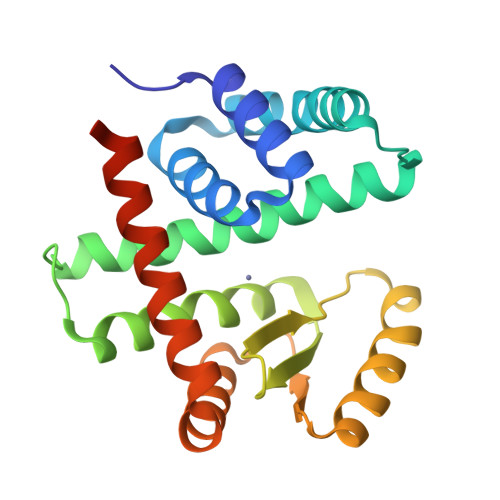
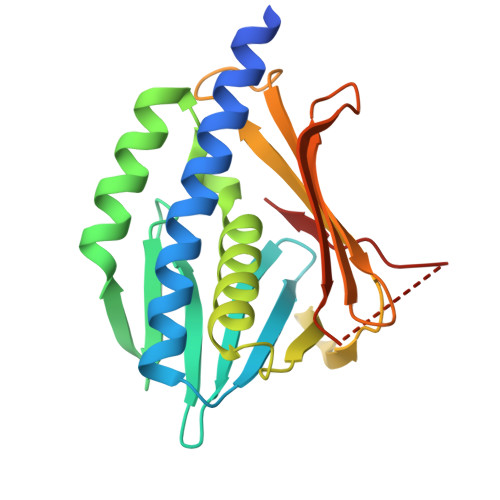
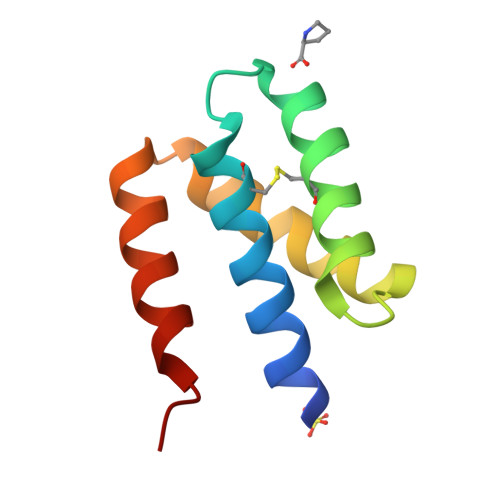
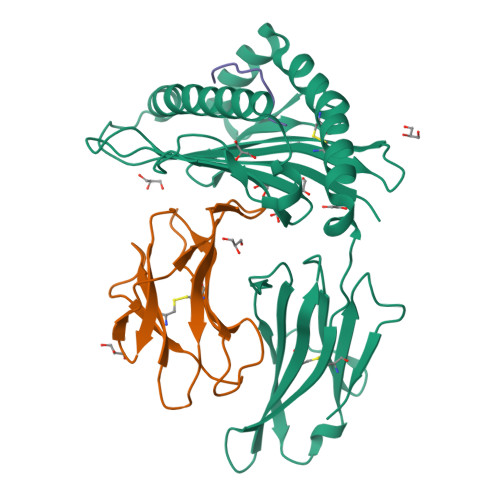
Publications which used NE-CAT or the NE-CAT BAG at NSLS-II.

Upcoming Workshops
Learn the principles of macromolecular x-ray crystallography from data collection to structure solution from leaders in the field.
Publication Acknowledgement
Primary funding for this project comes from the National Institute of General Medical Sciences (NIGMS), a division of the National Institutes of Health (NIH). Additional financial support for NE-CAT comes from our members.Primary funding for this project comes from the National Institute of General Medical Sciences (NIGMS), a division of the National Institutes of Health (NIH). Additional financial support for NE-CAT comes from our members.
Please acknowledge us in your publications by referencing our grant number.
Members
The Northeastern Collaborative Access Team (NE-CAT) facility at the Advanced Photon Source at Argonne National Laboratory is managed by Cornell University and consists of eight member institutions:
Columbia University | Cornell University | Genentech | Harvard University | Massachusetts Institute of Technology | Memorial Sloan-Kettering Cancer Center | Rockefeller University | Yale University


